

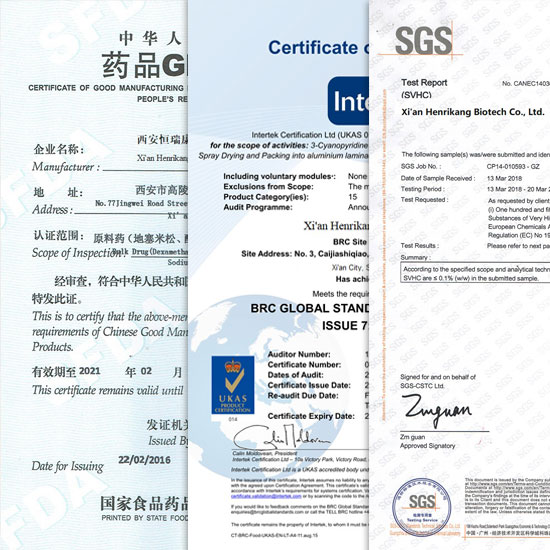
Related Attributes
Product details
Kuttan, an Indian scholar, first proposed the anticancer effect of curcumin in 1985. In recent years, curcumin has been found to have an inhibitory effect mechanism on the production, proliferation and metastasis of many kinds of tumour cells.
The National Institute of Oncology of the United States listed it as the 3rd generation of tumour therapeutic drug Curcumin has been used in the treatment of tumours in the United States.
When paired with mitomycin C, it reduces the dosage of mitomycin C. At the same time, it can reduce the nephrotoxicity and myelosuppression produced by the application of mitomycin C alone, and it can improve the effect of mitomycin C in the treatment of breast cancer.
Curcumin has protective effects against various toxic substances such as carbon tetrachloride, aflatoxin B1, acetaminophen, cyclophosphamide-induced hepatic damage in vitro and in vivo, and significantly reduces alkaline phosphatase and r-glutamyl transpeptidase (r-GT) activities in animals with alcoholic liver injury (ALI), preventing the occurrence of experimental fatty liver.
Uses and functions of Curcumin.
A natural phenolic compound. Potent anti-tumor agent having anti-inflammatory and antioxidant properties. Induces apoptosis in cancer cells and inhibits phorbol ester-induced protein kinase C (PKC) ac tivity. Reported to inhibit production of inflammatory cytokines by peripheral blood monocytes and alveolar macrophages. Potent inhibitor of EGFR tyrosine kinase and IB kinase. Inhibits inducible nit ric oxide synthase (iNOS), cycloxygenase and lipoxygenase. Easily penetrates into the cytoplasm of cells, accumulating in membranous structures such as plasma membrane, endoplasmic reticulum and nucle ar envelope. Curcumin is currently being examined as a possible therapeutic for the treatment of Alzheimers disease (Chem. andEng. News 90(31), 44 (2012)).
Acid-base indicator, pH 7.8 (yellow) to 9.2 (reddish brown). Chromogenic reaction measures beryllium, zirconium and magnesium, borates and reagents.
A natural phenolic, anti-tumour and anti-inflammatory substance with antioxidant properties that induces apoptosis in cancer cells.
>Click here to get more information

Turmeric Powder vs. Curcumin
| Aspect | Turmeric Powder - The Natural "Daily Culinary" Spice | Curcumin - The Targeted "Potent Anti-Inflammatory" Supplement |
|---|---|---|
| What is it? | A natural spice made by drying and grinding the turmeric root, the main component of curry. | The core active compound extracted from turmeric, responsible for its key health benefits. |
| Key Components & Potency | Contains only about 2-5% curcuminoids, with the rest being volatile oils, fiber, etc. Effects are mild, broad, but relatively weak, suitable for daily wellness. | Highly concentrated and standardized curcuminoids (often over 95%). Effects on specific functions like anti-inflammation and antioxidant activity are potent and well-researched. |
| Bioavailability | Very low. Curcumin is poorly absorbed by the gut and most of it is rapidly metabolized and eliminated. | Significantly enhanced by technology. High-quality products include piperine (from black pepper) or phospholipids to increase absorption by multiples, ensuring the compound reaches its targets. |
| Usage & Experience | Primarily used as a spice in cooking (e.g., curry, golden milk), adding flavor and color to food. Has a warm, earthy flavor. | Taken as capsules or tablets. Tasteless and convenient, guaranteeing an effective dose without changing dietary habits. |
| Core Pain Points Addressed | "I want a gentle, natural way to incorporate anti-inflammatory foods into my daily diet." "I enjoy cooking and the process of making remedies like golden milk." |
"I need targeted management for joint discomfort, post-workout soreness, or chronic inflammation." "I seek clear, potent effects and don't want my efforts wasted by poor absorption." "I don't want to change my diet but want the core benefits of turmeric." |
| Ideal Use Case Scenario | Daily health maintenance, food enthusiasts, those looking to gently improve overall health through diet. | Individuals with joint health needs, athletes for recovery, users with specific anti-inflammatory/antioxidant goals who value scientific validation and reliable results. |
What are the benefits of taking curcumin?

Product Method of Bulk Curcumin Powder.
(1) water as a solvent extraction. 70-80 ℃ first 8 times the amount of 1% sodium hydroxide solution leaching 0.175-.036mm turmeric powder 60-75min, filtered filter residue and then leaching twice, the amount of solvent and time can be reduced in order of discretion; combined with the three times the filtrate, add the amount of 0.8% sodium bisulphite solution, after concentration and adjust the PH with hydrochloric acid for 3-4; static stratification and abandon the upper layer Clear liquid, the lower precipitate by filtration of semi-solid curcumin, turmeric oil and turmeric resin mixture; at 70 ℃ in 70% ethanol to dissolve the mixture, while hot and filtered to remove insoluble in ethanol turmeric resin, filtrate and then use petroleum ether extraction to separate the turmeric oil, petroleum ether phase by distillation under reduced pressure recovery of petroleum ether turmeric oil, extracted residual ethanol phase by distillation under reduced pressure curcumin, yields of up to 0.5 percent - 1.5 percent. 1.5%.
(2) Organic solvent extraction.
Curcumin is soluble in ethanol, ether, acetone or methylene chloride and other solvents, can choose one from 0.16-0.32mm turmeric powder leaching curcumin and turmeric oil, after separation and concentration of petroleum ether extraction separation of turmeric oil, extracted residual phase of curcumin by distillation under reduced pressure, the yield is generally 0.55% - 1.5%.
(3) Step-by-step extraction. At 100-105 ℃ turmeric powder steam distillation 4-6h, get turmeric oil, at 80 ℃ with 1% sodium hydroxide solution soaked slag 25min; filtration, filtrate with hydrochloric acid neutralisation acidification, and then filtered to get the curcumin crude, refined to get the finished product.
FAQ.
Q1: What is the difference between turmeric powder and curry powder?
A: Turmeric powder is a single spice, made from dried turmeric root ground up; curry powder is a mixed spice, typically containing turmeric, coriander, fennel, and other spices. As a supplement, pure turmeric powder should be chosen over curry powder.
Q2: Why is it recommended to take turmeric powder with black pepper?
A: Piperine in black pepper significantly inhibits the metabolism of curcumin in the liver and intestines, increasing its bioavailability by up to 2000%. This is why many high-quality curcumin supplements in the USA and best turmeric powder in Europe contain black pepper extract.
Q3: Will turmeric powder turn the skin yellow?
A: At normal doses, it will not. Very high doses may temporarily cause slight skin staining, but this is harmless and will fade naturally. Choosing high-quality, standardized extracts avoids this problem.
Q4: How should turmeric powder be stored to maintain its potency?
A: Store in a cool, dry, dark place in a sealed container. Avoid moisture and high temperatures. Use within 6 months of opening for best results.
Q5: Is turmeric powder suitable for vegetarians and gluten-free dieters?
A: Pure turmeric powder is purely plant-based and gluten-free. However, check the label when purchasing to ensure there are no added non-vegetarian ingredients or cross-contamination during processing.
Hersteller von 95% Curcumin-Extraktpulver für die Gelenkgesundheit
Fabricant de poudre d'extrait de curcumine 95% pour la santé des articulations
Fabricante de polvo de extracto de curcumina al 95% para la salud articular
Fabricante de pó de extrato de curcumina 95% para saúde articular
Производитель порошка экстракта куркумина 95% для здоровья суставов
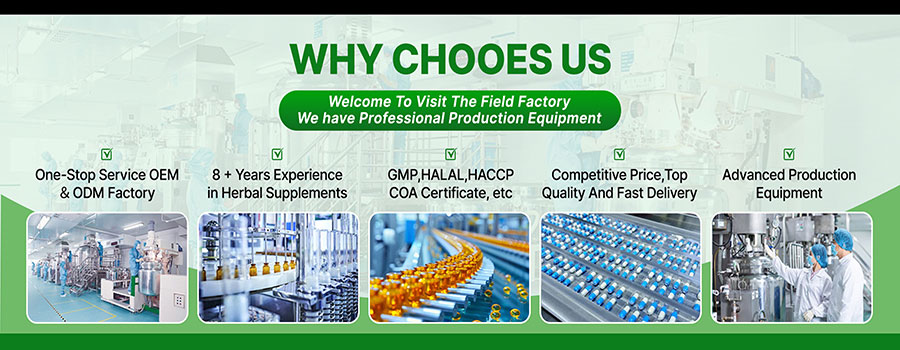
WHY CHOOES US?
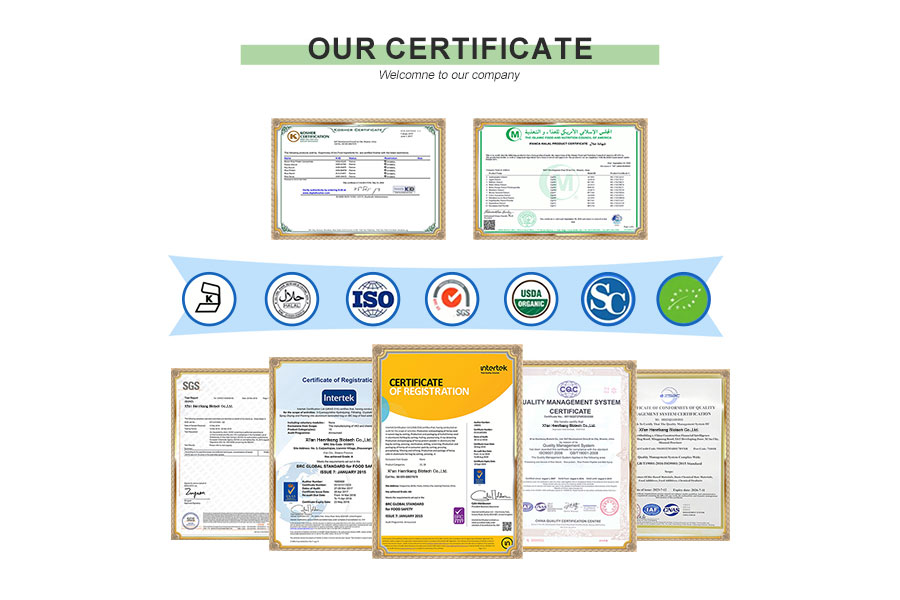
OUR CERTIFICATE
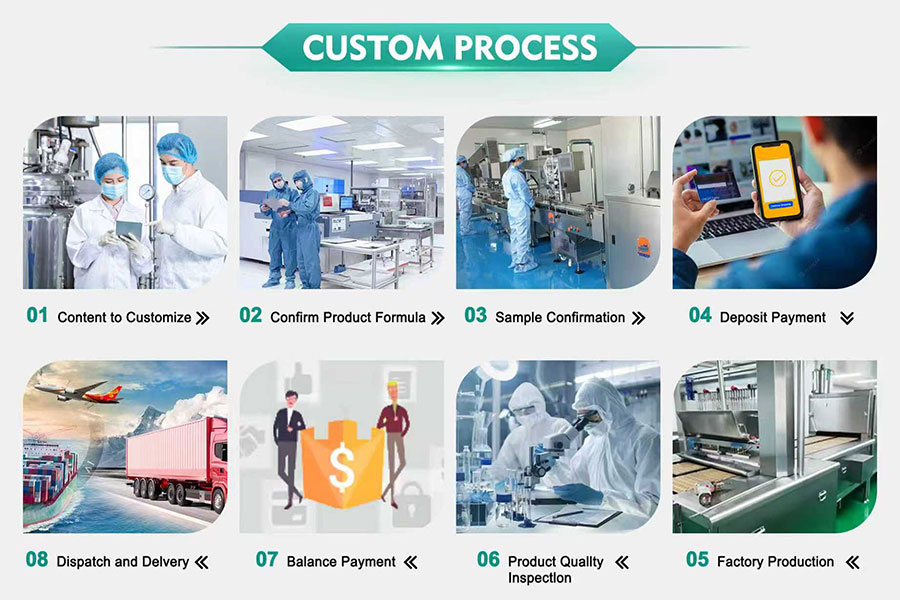
CUSTOM PROCESS
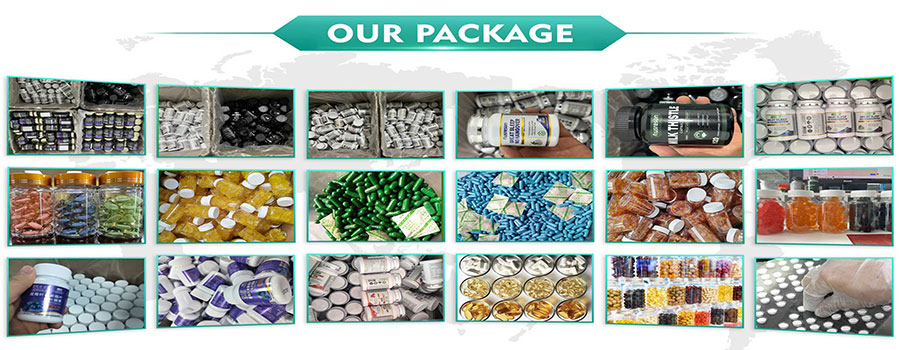
OUR PACKAGE
OUR EXHIBITION

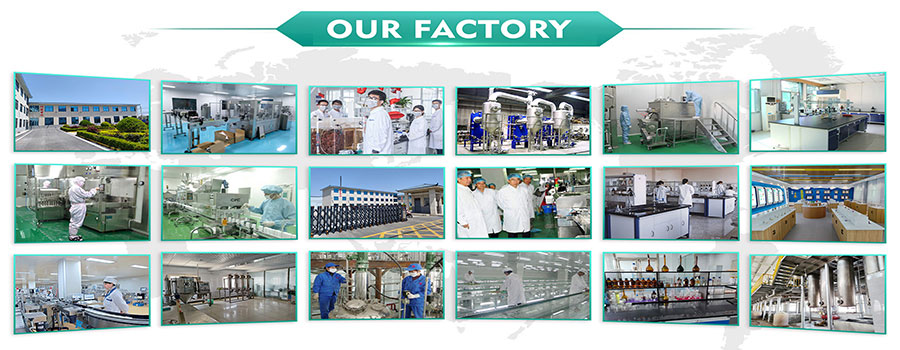
OUR FACTORY
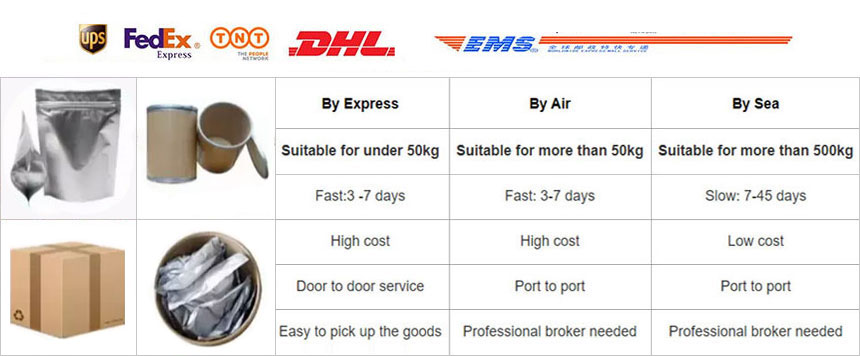
Shipping
Pharmaceutical Intermediate manufacturers
©2022 Xi'an Henrikang Biotech Co., Ltd.,
 Home
Home E-mail
 Booking