

Related Attributes
Product details
Phytic acid modified starch is a commonly used food additive, which is mainly used in fried foods, dried fish products, instant noodles, canned foods, cured meat products and other foods.
Phytic acid can combine with metal ions to form a precipitate, thus playing a role in preventing food spoilage.
In addition, Bulk maize starch can improve the aging resistance of starch and make starch have better stability
In blend modification, phytic acid can also be blended with other compounds or polymer materials to improve the properties of the materials.
What is corn starch?
Corn starch is a pure carbohydrate extracted from corn kernels. It is refined through wet milling to separate the protein, fiber, and germ. This fine powder does not dissolve in cold water, but forms a translucent gel-like substance when heated. This property makes it a highly effective thickener, stabilizer, and gelling agent.
Main Applications of Corn Starch in European and American Markets
Food and Beverage Industry:
Pharmaceutical Industry:**
Emerging Applications:
Uses of Pure Maize Starch.
1. Anti-caking agent: Phytic acid modified starch can prevent the particles from sticking to each other and forming lumps, which has the function of anti-caking.
2. Thickener: Phytic acid modified starch can be dissolved in water, fully hydrated under certain conditions to form viscous, slippery or jelly liquid macromolecule substances, with thickening, dispersion, stabilization, gelling, coagulation, water retention and control of crystallization, preservation of freshness.
3. Antioxidant: Organic maize starch price has antioxidant effect, which can scavenge free radicals and protect cells from oxidative damage.
4. Lowering cholesterol: phytic acid can lower blood cholesterol levels and prevent cardiovascular diseases.
5. Prevent constipation: Non-GMO maize starch powder has good water absorption, which can increase the water in the intestinal tract, promote intestinal peristalsis, and prevent constipation.

Nutritional Analysis of Food-grade maize starch powder
1. Corn is widely recognized as the “golden crop” worldwide, with the highest content of fat, phosphorus, and vitamin B2 among cereal foods.
2. Cornmeal contains linoleic acid and vitamin E, which can lower cholesterol levels in the body and reduce the risk of atherosclerosis.
3. Cornmeal is rich in calcium and iron, helping to prevent hypertension and coronary heart disease.
4. Modern medical research indicates that cornmeal is rich in glutathione, an anti-cancer factor that binds with various exogenous chemical carcinogens in the body, neutralizing their toxicity, and then expelling them through the digestive tract. Coarsely ground cornmeal contains a large amount of lysine, which can inhibit tumor growth.
5. Cornmeal also contains the trace element selenium, which accelerates the breakdown of oxidants in the body and inhibits the growth of malignant tumors.
6. The abundant dietary fiber in cornmeal promotes intestinal peristalsis, shortens the time food spends in the digestive tract, reduces the absorption of toxic substances, and minimizes the irritation of carcinogens on the colon, thereby reducing the risk of colon cancer.
Frequently Asked Questions
Q1: What is the difference between cornstarch and corn flour?
A: Cornstarch is an almost pure carbohydrate (approximately 99%) extracted from corn kernels, while corn flour is made from whole corn kernels and contains protein, fiber, and fat. They differ significantly in composition, function, and uses.
Q2: Is cornstarch suitable for a gluten-free diet?
A: Yes, pure cornstarch is naturally gluten-free and is a common ingredient in gluten-free products. However, it is essential to ensure there is no cross-contamination during production and to check for relevant certifications.
Q3: What are the storage conditions for cornstarch?
A: It should be stored in a cool, dry environment, away from direct sunlight and moisture. Under proper storage conditions, the shelf life is typically 18-24 months.
Q4: How can I verify the non-GMO status of cornstarch?
A: You should request the supplier to provide Non-GMO Project Verification or similar certification and review the relevant testing documents. The European market has particularly stringent requirements in this regard.
Q5: Can cornstarch be used in low-temperature or frozen products?
A: Regular corn starch may experience dehydration and shrinkage during freeze-thaw cycles. It is recommended to choose modified corn starch or specially developed high-stability products for frozen foods.
Q6: What are the actual differences between organic and conventional corn starch?
A: Organic corn starch comes from corn grown according to organic standards, without the use of synthetic pesticides and fertilizers. Its functional properties are basically the same, but there may be slight differences in purity due to processing limitations.
Поставщик кукурузного крахмала (порошок) оптом, без ГМО
Fournisseur de fécule de maïs en poudre en vrac, sans OGM
Großhändler für Nicht-GMO Maisstärke (Pulver)
Proveedor de almidón de maíz en polvo a granel, no transgénico
Fornecedor de amido de milho em pó a granel, não transgênico
WHY CHOOES US?

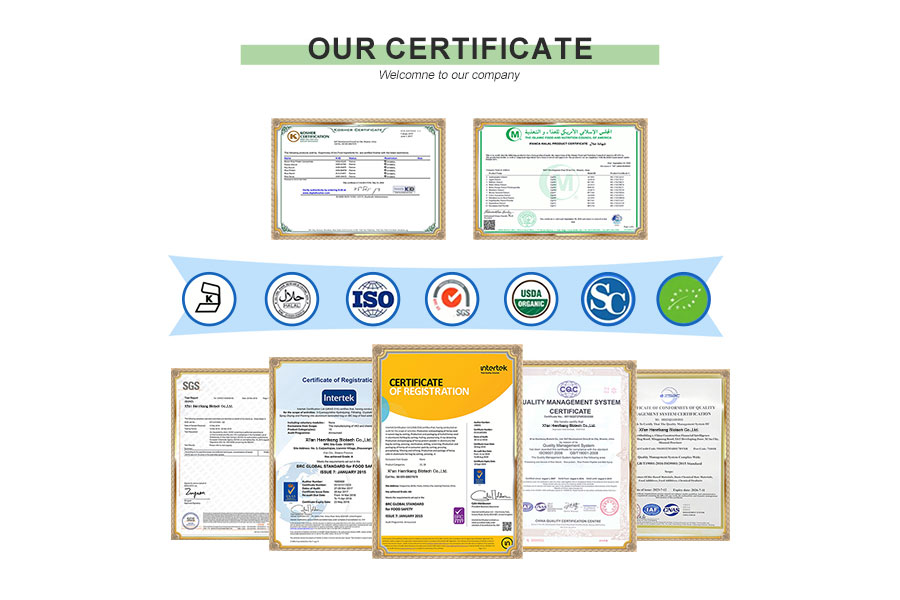
OUR CERTIFICATE
CUSTOM PROCESS

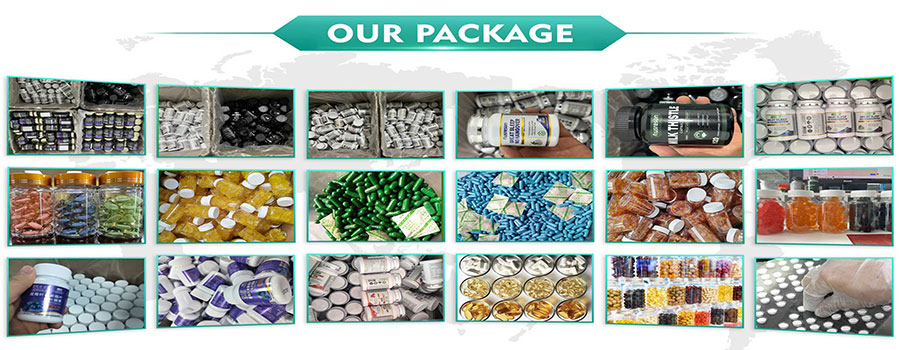
OUR PACKAGE
OUR EXHIBITION

OUR FACTORY

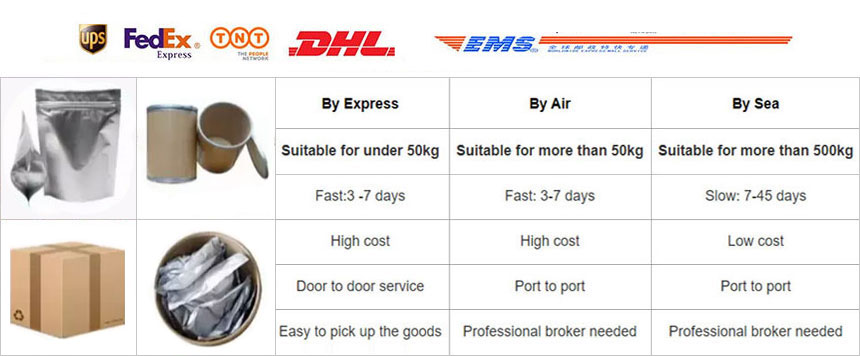
Shipping
Pharmaceutical Intermediate manufacturers
©2022 Xi'an Henrikang Biotech Co., Ltd.,
 Home
Home E-mail
 Booking