

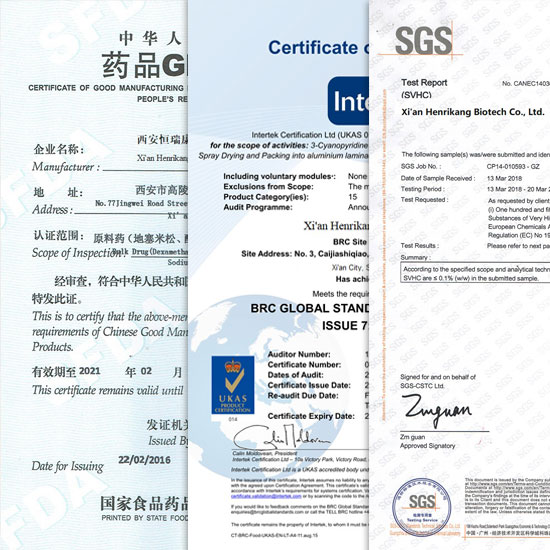
Related Attributes
Product details
Lactic acid is widely used in the food industry as an acidifier, preservative and reducing agent due to its soft and stable acidity, which contributes to the flavor of food.
It can be used in the production of refreshing beverages, candies and pastries, as well as in the processing and preservation of fish, meat and vegetables. Compared with citric acid, malic acid and other edible acids, it has strong competitiveness.
In the United States, lactic acid is used in soft drinks, largely replacing citric acid, phosphoric acid and so on. In the manufacture of beer, the United States banned the use of phosphoric acid and other inorganic acids to adjust the pH, and all switched to lactic acid. A quarter of the world's lactic acid is used to produce stearoyl lactide acid.
Its salts, calcium stearoyl lactylate (CSL) and sodium stearoyl lactylate (SSL), a large number of bread processing, not only to make the bread texture fluffy, delicate, and can extend its shelf life.
Uses of Lactic Acid.
1. Brewing industry
The brewing industry uses about 80% lactic acid. 2. The food industry generally uses 50% lactic acid. 2. Food industry
Lactic acid with a content of 50% is generally used in the food industry. It is mainly used in lactic acid drinks, refreshing drinks, pastries, pickles and acidulants.
Lactic acid can make the food slightly acidic without masking the natural flavor and aroma of fruits and steamed vegetables. Therefore, it is widely used in canned food such as tomato, oil
olive, sour cucumber, sour cabbage, etc. Sour milk drink made of lactic acid bacteria is also very popular.
3. Pharmaceutical industry Lactic acid can be directly formulated into medicine or made into lactate class use. It can be used internally for intestinal sterilization. It can also dissolve proteins and keratin, and the corrosive effect on the lesion tissue is particularly sensitive, so it can be used for the treatment of laryngeal tuberculosis, diphtheria, lupus and other diseases.
In addition, it is also used in retractable sterilization: coughing agent, coating agent, bladder injection agent, vaginal cleansing agent. The use of lactic acid hydrophilic characteristics and difficult to dissolve in the combination of drugs to increase the amount of drug absorption, to prevent side effects.
Lactic acid is also a raw material for making erythromycin icing, so it is widely used in the pharmaceutical industry.
4. The content of lactic acid for leather industry is 40%. It is not high quality requirements of lactic acid, dark and with odor can be used, tanning industry mainly used to remove the lime in the tanned leather, also known as de-ash, with lactic acid de-ash after the quality of leather than other acid de-ash quality is good, but also to the high level of leather must be treated with lactic acid.
In the production of cigarettes, lactic acid can be used to remove impurities in tobacco,remove the bitter and spicy flavor, therefore, through lactic acid treatment can improve the grade of low-grade tobacco.
Lactic acid in the production of celluloid paint used as pH control agent; in the wool industry for the dye pre-chromium mordant dyeing to reduce the chromate content of wool and prevent the oxidation of the fiber; in the silk and rayon post-treatment, as a pH regulator,used to increase the color treatment to increase the color of the yarn.

Preparation of Lactic Acid.
(1) Fermentation method.
Use malt to saccharify starch, corn, milk, potato, glucose and sucrose, add calcium carbonate and lactic acid bacteria, fermentation at 49 ℃, adjust the pH, so that the lactic acid generated is neutralized, the generated calcium lactate filter, and then 50% sulfate decomposition of calcium lactate, calcium sulfate, and free lactic acid, evaporation, concentration, can be made of industrial-grade lactic acid, if used for food and medical, and further activated carbon to remove impurities. If used for food and medicine, further use activated carbon to remove impurities, use sodium ferrocyanide to remove heavy metals, and use ion exchange resin to further remove impurities, and fine lactic acid can be produced.
(2)Industrially, it is obtained by fermentation of lactic acid bacteria with sucrose as raw material; it can also be generated by heating glucose or sucrose with alkali. Chemical synthesis can be generated by σ-propyl (propyl) glycol with nitric acid oxidation or
bromopropionic acid and water (or dilute lye) heating lactic acid. CH3CH(OH)-CH2(OH)+O2→CH3CH(OH)-COOH+H2O. CH3CHBr-COOH+H2O→CH3CH(OH)-COOH+HBr.
(3) Recent use of acetaldehyde and carbon monoxide in dilute sulfuric acid solution, at 130 to 200 ℃ and 90MPa under the reaction to produce.

Product method of Bulk Lactic Acid Powder.
Fermentation method Rice or dried potato flour is used as raw material, which is pasted by steam at 120℃. The paste is saccharified at 51-53°C under the action of saccharase. Lactic acid can be obtained by utilizing glucose fermentation.
(1) Lactobacillus fermentation. Lactobacillus products are generally DL-lactic acid. The saccharification solution is sterilized by steam heating to 90-95 ℃ for 1-2h, cooled to 50 ℃ and then inoculated with Lactobacillus fermentation.
Fermentation stability control at 48-50 ℃; ventilation and stirring; PH control at 5.5-6.0, add calcium carbonate in the medium, the fermentation process liquid in batches to add calcium carbonate to regulate the PH is greater than 5.0. fermentation cycle 3-4 days.
(2) Root mold fermentation. Root mold is also lactic acid producing bacteria. Although its theoretical sugar-acid conversion rate is low (75%), it is easy to get the purity of L-lactic acid.
(3) Fermented lactic acid extraction. Lactic acid is not easy to crystallize, the domestic generally use calcium salt method of extraction.
That is, after the end of fermentation, the fermentation broth with calcium hydroxide neutralization to PH11-12, and while hot (> 80 ℃) pressure filtration, filtrate with magnesium chloride precipitant static, the supernatant is concentrated to a relative density of 1.098-1.115, and then static crystallization and filtration of calcium lactate crystals to get loose.
Calcium lactate with steam melting, add sulfuric acid acid, and then activated carbon decolorization, standing 6h after vacuum suction filtration to contain about 10% of the lactic acid solution.
Once concentrated to a relative density of 1.098, with ion exchange resin to remove calcium and magnesium ions, and then after the second concentration, decolorization and filtration of lactic acid finished product.
Frequently Asked Questions about Lactic Acid Skincare
Q1: What's the difference between lactic acid and glycolic acid? Which is more suitable for sensitive skin?
A: Both lactic acid and glycolic acid belong to the alpha-hydroxy acid (AHA) family, but lactic acid molecules are larger and penetrate more slowly, thus causing less irritation. Furthermore, lactic acid has natural moisturizing properties, while glycolic acid focuses more on exfoliation. For sensitive skin, lactic acid is generally a safer and gentler choice.
Q2: Is it normal to experience slight stinging after using lactic acid?
A: Slight stinging (usually disappearing within 1-2 minutes) is normal when using for the first time or at a higher concentration. However, if the stinging lasts longer than 5 minutes, or is accompanied by redness, swelling, or itching, wash immediately with water and discontinue use. It is recommended to start with a low concentration and allow the skin 2-4 weeks to adapt.
Q3: Can lactic acid be used daily?
A: This depends on the product concentration and your skin's tolerance. Low-concentration (below 5%) lactic acid products can be used daily, while higher concentrations (above 10%) are recommended 2-3 times per week. The best approach is to observe skin reaction; if peeling or persistent sensitivity occurs, reduce the frequency of use.
Q4: Does lactic acid make skin more sensitive to sunlight?
A: Yes, all AHA ingredients (including lactic acid) increase skin's sensitivity to UV rays. Therefore, after using lactic acid products during the day, you must apply a broad-spectrum sunscreen with SPF 30 or higher, even on cloudy days or indoors.
Q5: Can lactic acid be used with other active ingredients such as Vitamin C and niacinamide?
A: Lactic acid can be used with most active ingredients, but the order and timing of application are important. It is recommended to use lactic acid separately from other active ingredients (e.g., morning and evening), or at least 30 minutes apart. Avoid using multiple acidic ingredients simultaneously to prevent over-stimulation.
Оптовый производитель пищевой молочной кислоты 85%, порошок молочной кислоты
Fabricant en gros d'acide lactique qualité alimentaire 85%, poudre d'acide lactique
Großhandelshersteller von Milchsäure Lebensmittelqualität 85%, Milchsäurepulver
Fabricante al por mayor de ácido láctico grado alimentario 85%, polvo de ácido láctico
Fabricante por atacado de ácido lático grau alimentício 85%, pó de ácido lático
WHY CHOOES US?
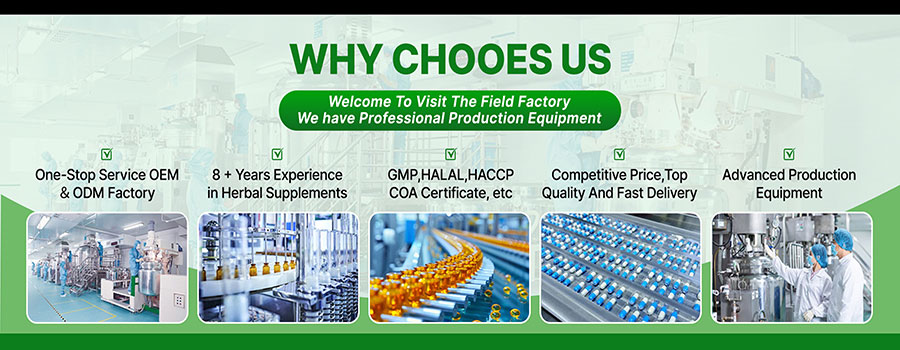
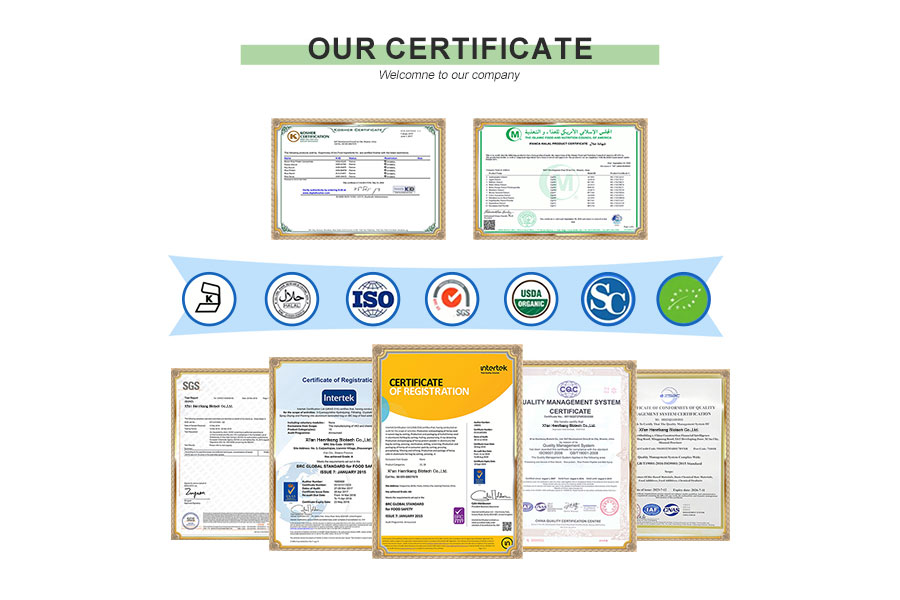
OUR CERTIFICATE
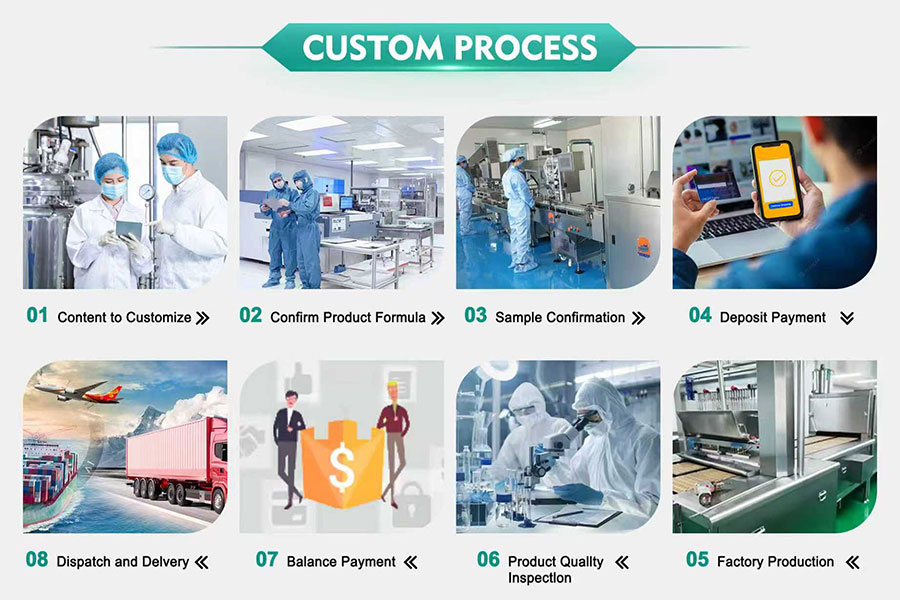
CUSTOM PROCESS
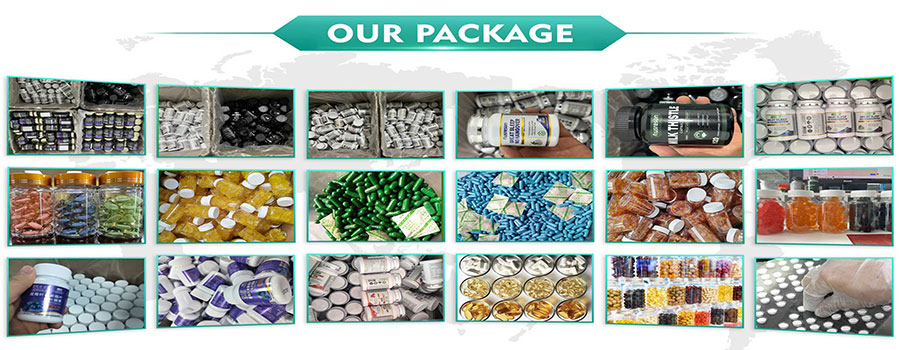
OUR PACKAGE
OUR EXHIBITION

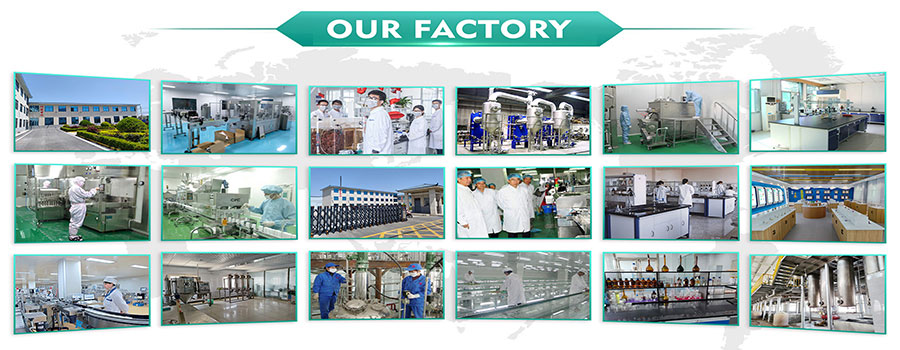
OUR FACTORY
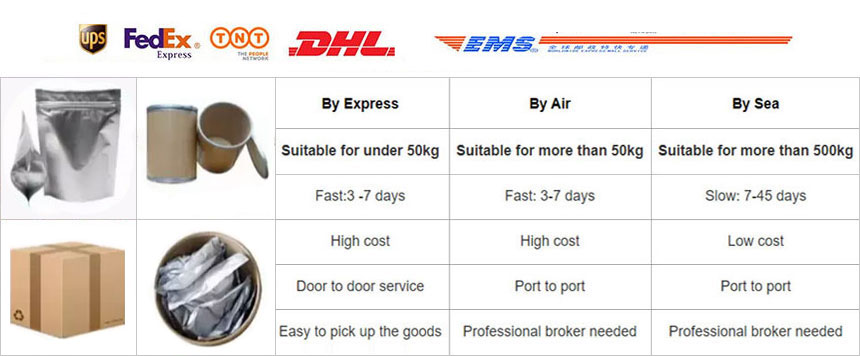
Shipping
Pharmaceutical Intermediate manufacturers
©2022 Xi'an Henrikang Biotech Co., Ltd.,
 Home
Home E-mail
 Booking