

Related Attributes
Product details
Sodium saccharin is a synthetic sweetener commonly used in the food industry that is 300-500 times sweeter than sucrose, but is not broken down in living organisms and is excreted by the kidneys. Sodium saccharin is not highly toxic, but its carcinogenicity is controversial. According to FAO/WHO (1984), the ADI of sodium saccharin is 0-0.0025g/kg body weight.
Saccharin sodium is widely used in food, feed additives, daily chemical industry and electroplating industry. In food, saccharin sodium is commonly used in cold drinks, beverages, jellies, cold fruits, meringue, etc.; in feed additives, it is commonly used in pig feed, sweeteners, etc.; in the daily chemical industry, it is commonly used in toothpaste, mouthwash, eye drops, etc.; in the plating industry, it is commonly used in nickel plating, as a brightener.
The Use of Saccharin Sodium
The excessive use of saccharin sodium in food and the unauthorized expansion of its application are serious problems. Data shows that the use of saccharin sodium in food is clearly exceeding permitted limits and dosages. To reduce production costs and maximize profits, some manufacturers commonly use saccharin sodium to replace sucrose in beverages, dried fruits, and even jellies specifically for children, without any labeling, thus seriously infringing on consumers' right to know.
Saccharin sodium is widely used in urban and rural markets across my country. A survey conducted by the China Consumers Association on nearly 100 different types and grades of beverages nationwide revealed that approximately 61.2% of beverages contain various sweeteners, of which approximately 55.1% contain saccharin sodium; and approximately 23.5% of beverages used varying amounts of saccharin sodium during production but failed to disclose this on their labels.
Uses of Saccharin Sodium.
Sodium saccharin is a commonly used synthetic sweetener that is 200-500 times sweeter than sucrose. Sodium saccharin is widely used in the food industry, mainly to increase the sweetness of food products. In addition, sodium saccharin has been used to measure blood circulation time.
Sodium saccharin has low toxicity, but its carcinogenicity is controversial. Recent studies have shown that the carcinogenicity of saccharin may be related to sodium ions and high proteinuria in rats. The dosage and administration of saccharin sodium is 1 g intravenously over 8-16 seconds in normal subjects. The indications for saccharin sodium are determination of blood circulation time.
Features and uses
In terms of sweetness, the anions released from the decomposition of sodium saccharin have a strong sweet taste, while in their molecular state they have no sweetness and instead taste bitter. Sodium saccharin has high solubility and a high degree of dissociation, thus resulting in a strong sweetness. Sodium saccharin decomposes slowly when boiled, and when used in appropriate proportions with other sweeteners, it can more closely resemble the sweetness of sugar. Sodium saccharin does not cause food staining or fermentation.
When its concentration is relatively high, it has a bitter taste. Heating sodium saccharin under acidic conditions will cause it to lose its sweetness and form anthranilic acid, which has a bitter taste. This substance is colorless and stable. Because it has relatively low calories, it is not easily absorbed by the human body, but it can be excreted in urine and feces. Therefore, sodium saccharin is used as a sugar substitute by patients with obesity and high blood lipids.

Chemical Properties of Saccharin Sodium.
By chlorosulfonation of toluene with chlorosulfonic acid, o-toluene sulfonyl chloride in oil form and crystalline p-toluene sulfonyl chloride as a by-product are obtained, which are separated and oxidized with ammonia to obtain saccharin, and then alkalized by sodium hydroxide. Colorless to white rhombohedral crystal system plate-like crystals or white crystalline weathered powder. Odorless or with a slight odor.
Very sweet, even in 10000 times the aqueous solution still has very strong sweetness, sweetness threshold value of about 0.00048%. Sweetness in dilute solution is about 500 times that of sucrose. The concentration is sweet when it is dilute, and has bitter flavor when it is concentrated (more than 0.026%), so the concentration should be less than 0.02% when used alone.
When heated under acidic condition, the sweet flavor disappears. And can form bitter o-aminosulfonyl benzoic acid. Soluble in water (1g/1.5m1), slightly soluble in ethanol (1g/50m1).

Product Method of Bulk Saccharin Sodium Powder.
By chlorosulfonation of toluene with chlorosulfonic acid, o-toluene sulfonyl chloride in oil form and crystalline p-toluene sulfonyl chloride as a by-product are obtained, which are separated and oxidized with ammonia to obtain saccharin, and then alkalized by sodium hydroxide.
Fabricante de edulcorante en polvo de sacarina sódica
Fabricante de adoçante em pó de sacarina sódica
Hersteller von Saccharin-Natrium-Pulver (Süßstoff)
Fabricant de poudre édulcorante de saccharine sodique
Производитель подсластителя порошка сахарина натрия
WHY CHOOES US?

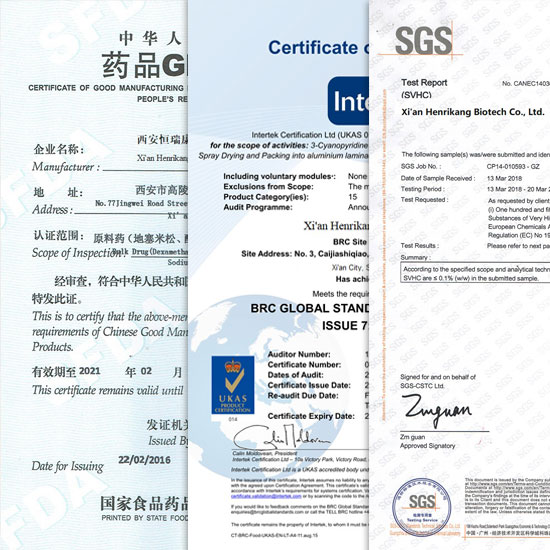
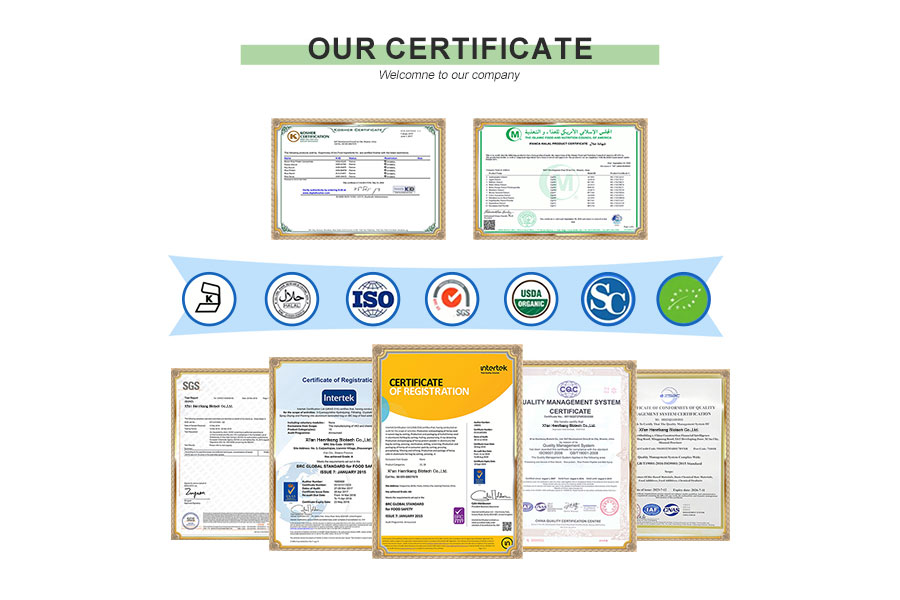
OUR CERTIFICATE
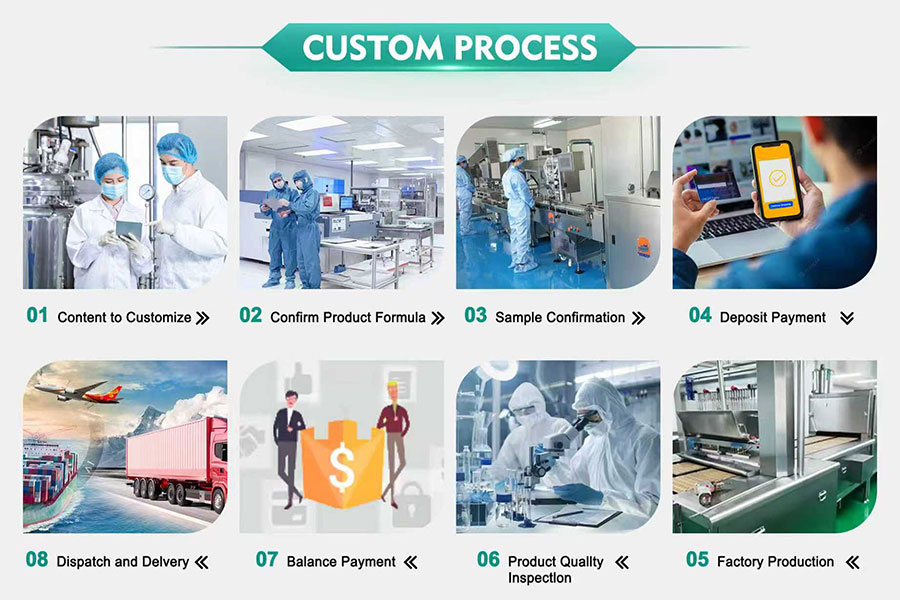
CUSTOM PROCESS
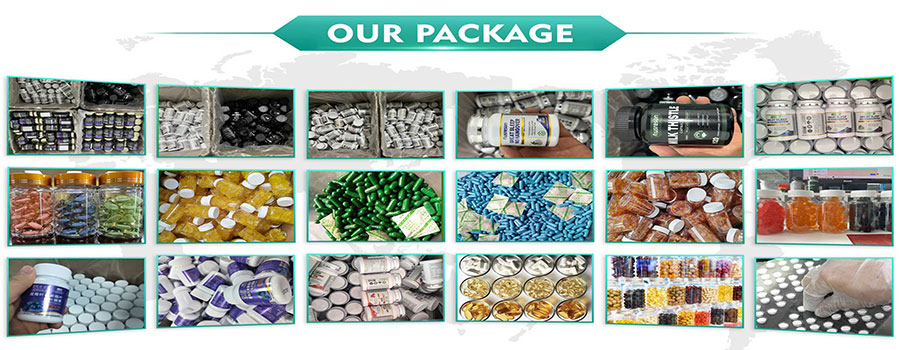
OUR PACKAGE
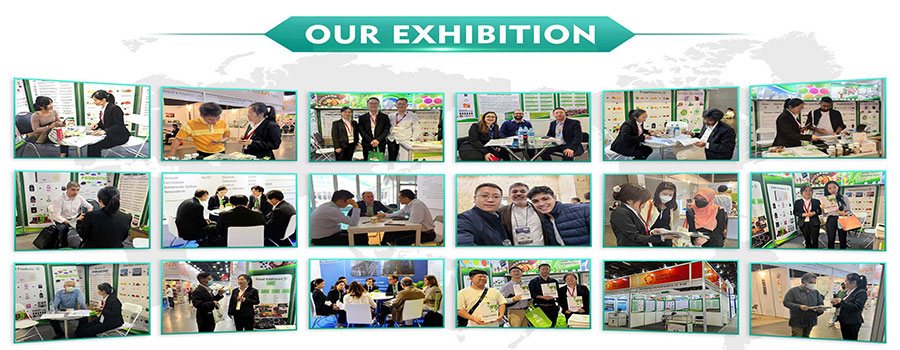
OUR EXHIBITION
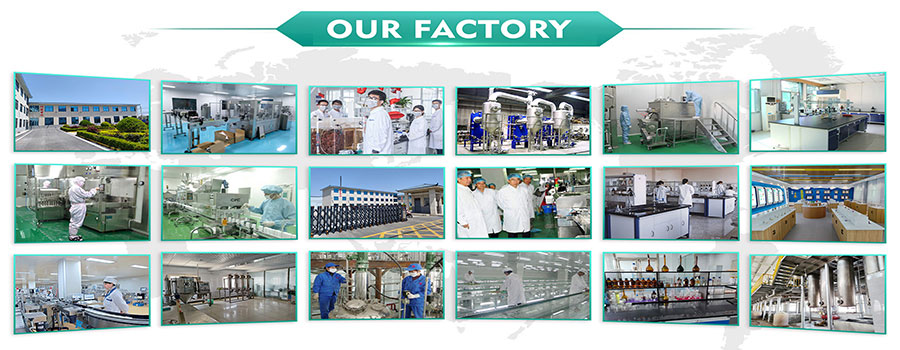
OUR FACTORY
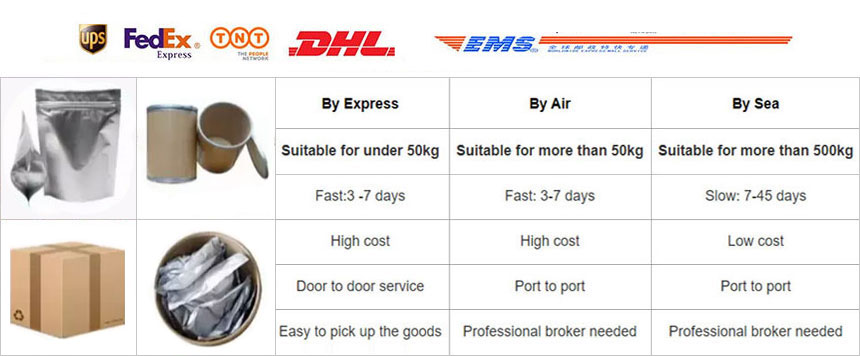
Shipping
Pharmaceutical Intermediate manufacturers
©2022 Xi'an Henrikang Biotech Co., Ltd.,
 Home
Home E-mail
 Booking