

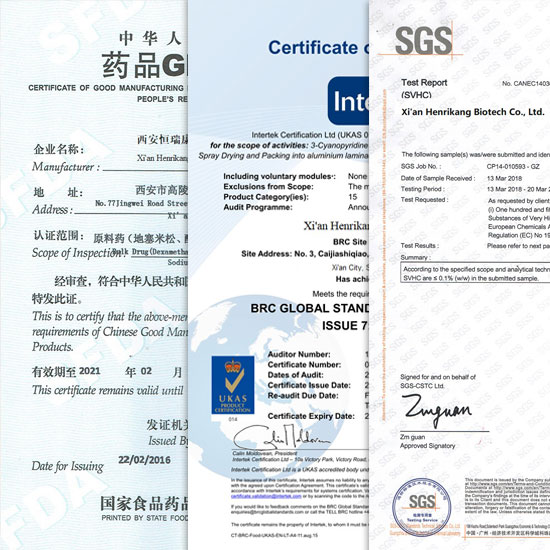
Related Attributes
Product details
L-Lysine hydrochloride is an important amino acid widely used in various fields. It can be used to make electron microscopy pre-fixation solutions and immunohistochemical blocking solutions. In addition, it can be used to prepare periodate-lysine-paraformaldehyde (PLP) fixatives for immunohistochemistry (IHC).
L-lysine hydrochloride is also often used in the production of granules, such as L-lysine hydrochloride granules available from Medical Education. In addition, L-lysine hydrochloride is often used in animal nutrition, feed additives, pharmaceuticals, health care products, daily chemicals and other fields.
Main Application Areas
Lysine HCl has a wide range of applications, primarily serving three pillar industries: animal nutrition, human health, and cosmetics.
In the feed industry, it is one of the most important nutritional feed additives. As an essential amino acid for livestock and poultry, adding Lysine HCl can precisely balance the amino acid composition of feed, significantly improving protein utilization efficiency.
This not only promotes animal growth but also enhances their disease resistance and improves meat quality, making it an indispensable component of modern, intensive animal husbandry.
In the pharmaceutical and nutritional health fields, its role is equally crucial. L-Lysine is one of the eight essential amino acids that the human body cannot synthesize on its own.
It is used to treat malnutrition, loss of appetite, weight loss, and hypoproteinemia caused by lysine deficiency, and is particularly important for children during their developmental period, those recovering from illness, and pregnant and lactating women. Common dosage forms include tablets, granules, and injections.
In the cosmetics industry, Lysine HCl serves as a functional ingredient, acting as a hair conditioner and skin protectant.
According to the assessment of the Cosmetic Ingredient Evaluation Committee (CIR) in the United States, its safe concentration for use in leave-on cosmetics (such as face creams) should not exceed 0.6%, and in rinse-off products (such as shampoos) should not exceed 0.1%.
Uses of Lysine Hcl.
Lysine is one of the most important amino acids and the amino acid industry has now become an industry of considerable size and importance. Lysine is mainly used in food, medicine and feed.
Lysine is a feed nutrient fortifier, with the function of enhancing the appetite of livestock and poultry, improving disease resistance, promoting healing of trauma, improving the quality of meat, enhancing gastric secretion, and is necessary for the synthesis of brain nerves, germ cells, proteins and hemoglobin. The general amount added to the feed is 0.1-0.2%.

Product Method of Bulk Lysine Hcl Powder.
The crude product of L-lysine was obtained by microbial fermentation, and the pure product was obtained by refining, and then the product was crystallized in hydrochloric acid.
Frequently Asked Questions about Lysine HCl
1. Are Lysine HCl and L-lysine the same thing?
Not exactly. L-lysine is the amino acid itself, while Lysine HCl (L-lysine hydrochloride) is a stable salt form formed by the combination of L-lysine and hydrochloric acid. The latter has higher solubility in water, is more stable, and is the most common form in commercial products.
2. As a purchaser, how should I choose different grades of Lysine HCl?
The choice depends on the end product application:
Feed grade: Suitable for animal feed additives, focusing on cost-effectiveness and stability.
Food/Health supplement grade: Used in human nutritional supplements, must comply with food safety regulations, with stricter requirements for purity and impurity control.
Pharmaceutical grade: Used in pharmaceutical manufacturing, must meet the highest standards of pharmacopoeias of various countries (such as the Chinese Pharmacopoeia and USP), with the most stringent requirements for purity, content, and impurity testing.
3. How much impact do current anti-dumping measures in international trade have on my procurement costs?
The impact is direct, but dynamic. Imposing tariffs will immediately increase import costs in target markets (such as the EU), leading to higher local prices.
However, due to the dominant and irreplaceable position of Chinese supply in the global market, supply and demand will continuously adjust through negotiation. Producers may partially offset the impact of tariffs by lowering prices, and in the long run, prices may tend towards a new equilibrium point, but overall import costs may still be higher than before anti-dumping measures.
4. What are the restrictions on the use of Lysine HCl in cosmetic formulations?
The key restriction is the safe concentration. According to CIR assessments, the recommended concentration is no higher than 0.6% in leave-on products (such as lotions and creams) and no higher than 0.1% in rinse-off products (such as shampoos and shower gels). Formulators must ensure that it is used within this safe range.
Proveedor de polvo de clorhidrato de lisina grado pienso
Fornecedor de pó de cloridrato de lisina grau ração
Lieferant von Lysinhydrochlorid-Pulver in Futtermittelqualität
Fournisseur de poudre de chlorhydrate de lysine qualité alimentation animale
Поставщик порошка гидрохлорида лизина кормового качества
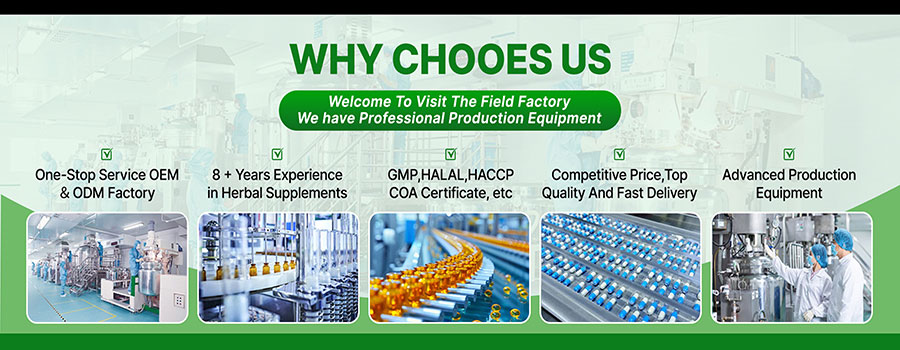
WHY CHOOES US?
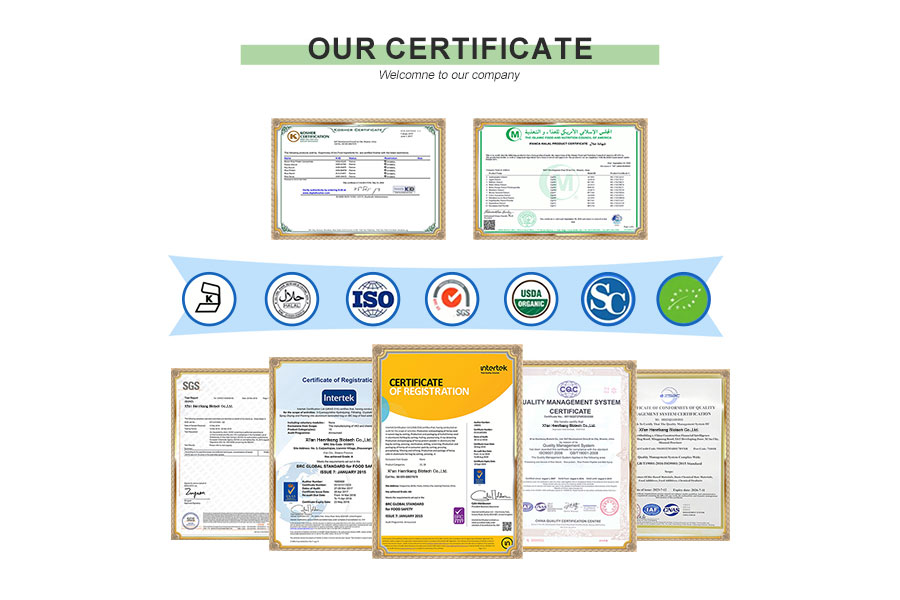
OUR CERTIFICATE
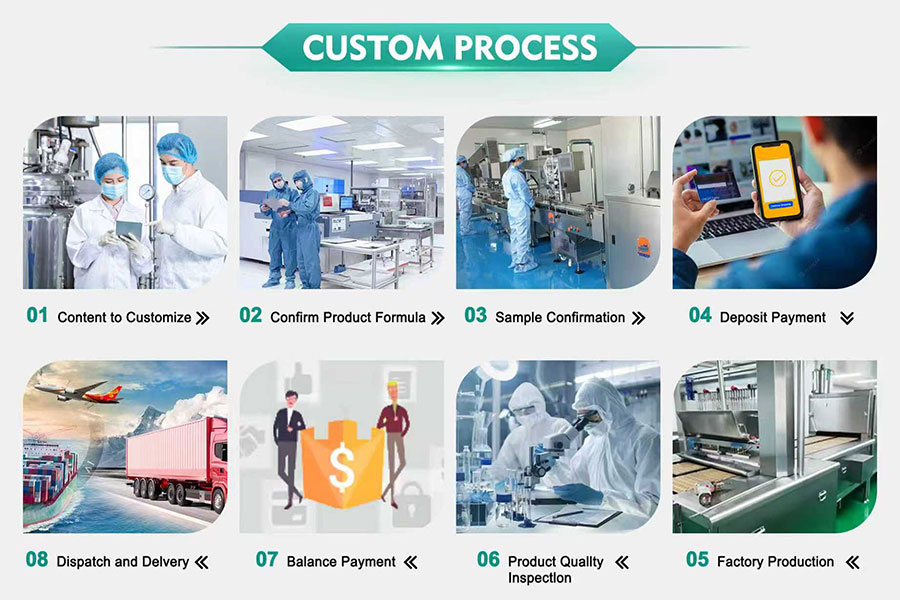
CUSTOM PROCESS
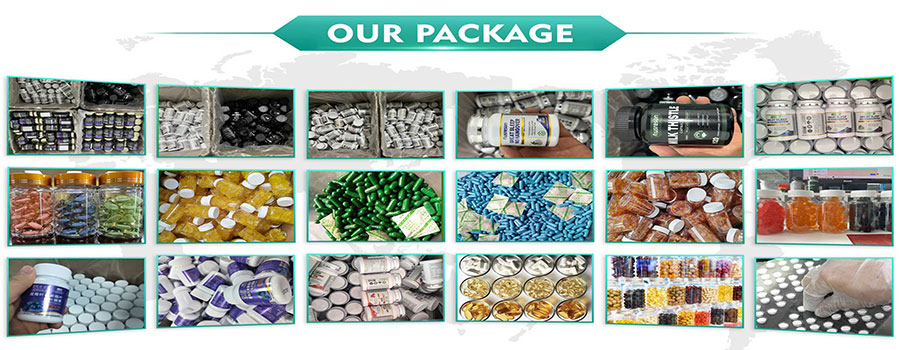
OUR PACKAGE
OUR EXHIBITION

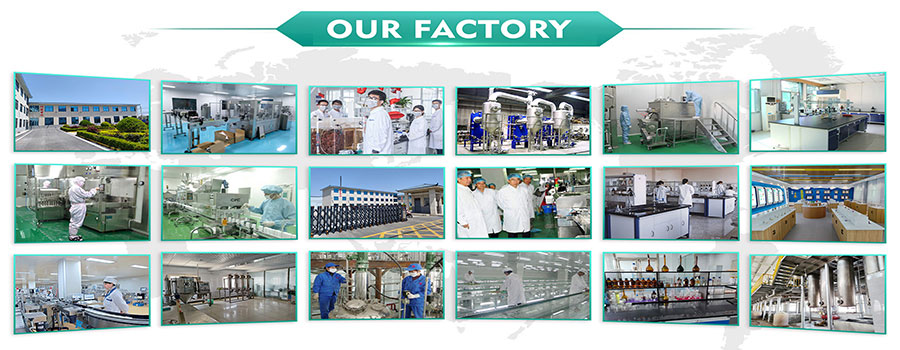
OUR FACTORY
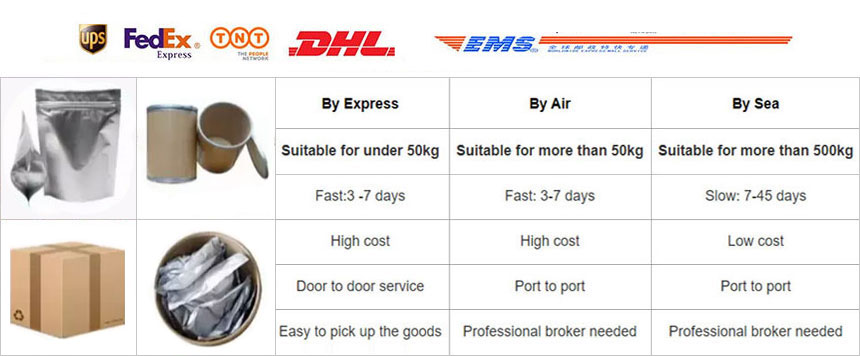
Shipping
Pharmaceutical Intermediate manufacturers
©2022 Xi'an Henrikang Biotech Co., Ltd.,
 Home
Home E-mail
 Booking