The Core Scientific Ingredients of Hair and Skin Vitamin Capsules
1. Protein Synthesis and Keratin Construction
Biotin (Vitamin B7): The most well-known "hair vitamin" in Europe and America, it acts as a cofactor for carboxylases, supporting keratin synthesis. The US FDA recognizes its role in maintaining healthy hair, but it's important to note that it is only significantly effective in cases of biotin deficiency.
L-Cystine and Methionine: Sulfur-containing amino acids, major structural components of keratin. European research has found that supplementing with cystine in combination with medical-grade B vitamins can reduce telogen effluvium.
Silicon (Silica or Organosilicon): Supports the cross-linking of collagen and keratin, enhancing hair strength and elasticity. British dermatological research has found that supplementing with organosilicon can improve hair texture and thickness.
2. Hair Follicle Cell Proliferation and Life Cycle Regulation
Zinc: As a cofactor for over 300 enzymes, it supports DNA/RNA synthesis and cell division—hair follicles are the second fastest-proliferating cell group in the body. European and American studies show that zinc deficiency is closely related to telogen effluvium.
Iron (especially ferritin): Transports oxygen to hair follicles, supporting energy production. European research emphasizes that even low ferritin levels in women without anemia can lead to hair loss, especially in those women.
Vitamin D3: Hair follicles express vitamin D receptors, and vitamin D regulates the hair follicle cycle. Studies in Nordic countries show a correlation between seasonal hair loss and decreased vitamin D levels in winter.
3. Microcirculation and Hair Follicle Blood Supply
Niacin (Vitamin B3): Improves scalp microcirculation by dilating capillaries, enhancing nutrient and oxygen delivery to hair follicles.
Ginkgo Biloba Extract: Traditionally used to support circulation, modern research suggests it may improve scalp blood flow and nutrient supply to hair follicles.
Capsaicin Analogs: May support hair follicle perfusion through local vasodilation (contained in some formulations).
4. Antioxidant Protection and Anti-inflammatory Support
Vitamin E (Mixed Tocopherols): Protects the hair follicle membrane from lipid peroxidation, particularly against UV damage—especially important in high-sunlight regions like California and Florida.
Selenium: As a component of glutathione peroxidase, it protects hair follicles from oxidative stress. However, precise dosage is necessary; excessive amounts may lead to hair loss.
Polyphenolic antioxidants (such as grape seed extract and green tea extract): combat hair follicle damage caused by environmental toxins and inflammation.
5. Hormonal Balance and Hair Follicle Sensitivity
Saw palmetto extract: may reduce the conversion of testosterone to DHT by inhibiting 5-α reductase, which is particularly important for androgenetic alopecia (the most common type of hair loss in men in Europe and America).
Pumpkin seed oil: rich in phytosterols, which may support healthy hormone metabolism and a healthy hair follicle environment.
Inositol: supports cell signaling and may improve hormone-related hair loss associated with polycystic ovary syndrome (PCOS), which is increasingly prevalent among women in Europe and America.
Formula Selection for Different Hair Needs
1. For those concerned about thinning and hair loss
Comprehensive Perspective: Healthy hair begins with a healthy scalp, just as plants begin with healthy soil.
Dosage Strategies and Best Practices
Dosage and Timing Optimization
With Meals: Fat-soluble vitamins (A, D, E, K) and minerals are better absorbed when taken with fatty meals.
Divided Dosing: Water-soluble vitamins (B complex, C) are taken in divided doses to maintain stable blood levels.
Avoid Interference: Calcium may inhibit iron and zinc absorption; stagger the time of administration.
Consistency: Due to the long hair follicle cycle, continuous use for 3-6 months is required to assess effectiveness.
Synergistic Lifestyle Enhancement
Dual Nutritional Strategy: Combine supplements with a hair-healthy diet (foods rich in protein, iron, and Omega-3).
Local Synergy: Internal nutrition combined with gentle shampoo and scalp. Combining massage and protective styling.
Stress management: Cortisol directly affects the hair follicle cycle; combine with mindfulness, exercise, and sufficient sleep.
Avoid self-damage: Reduce high-temperature styling, chemical treatments, tight hairstyles, and excessive shampooing.
Drug interactions:
Anticoagulants: High doses of vitamin E, Omega-3, and ginkgo may enhance the effect.
Thyroid medications: Iron and calcium supplements should be taken 4 hours apart from thyroid medications.
Isotretinoin: Avoid additional vitamin A supplementation.
Chemotherapy drugs: Some antioxidants may interfere with the mechanism of action; guidance from an oncologist is required.
Frequently Asked Questions about Hair and Skin Vitamin Capsules
Q1: How long does it take to see results from hair and skin vitamins?
A: Due to the slow hair growth cycle, it usually takes at least 3 months of continuous use to see initial improvement, and 6 months to achieve noticeable results. Hair follicles need time to respond to changes in nutrient supply, and new hair needs time to grow from the follicle and reach a visible length. Consistency is key—occasional use will not produce significant results.
Q2: Is biotin the only vitamin important for hair?
A: No, while biotin receives much attention, healthy hair requires the synergistic effect of multiple nutrients. Key ingredients include: zinc (cell division), iron (oxygen transport), vitamin D (hair follicle cycle regulation), vitamin C (collagen synthesis), Omega fatty acids (scalp health), and various B vitamins. A single nutrient rarely addresses hair problems influenced by multiple factors.
Q3: Are there any side effects to hair and skin vitamins?
A: High-quality products are generally safe at recommended dosages. However, please note:
High doses of biotin may interfere with certain blood test results (such as thyroid and heart markers).
Excessive vitamin A may paradoxically cause hair loss.
Iron supplements may cause constipation or stomach upset.
Some ingredients may cause allergic reactions (such as to yeast-derived B vitamins).
Always follow the recommended dosage and inform your healthcare provider about all supplements you use.
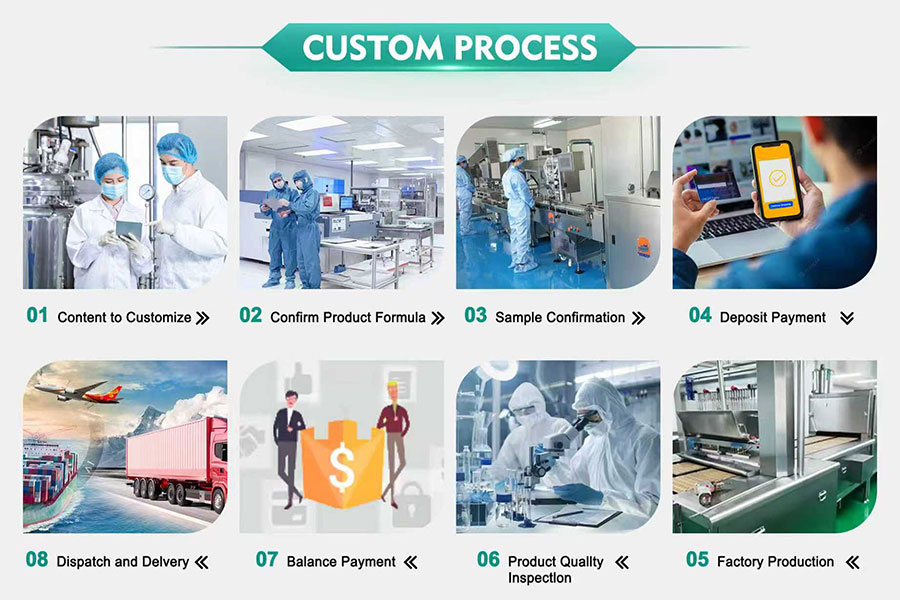
We possess extensive experience, handling every step from sourcing each ingredient in the formulation to post-filling inspection, all at the most competitive prices and with the fastest delivery times.
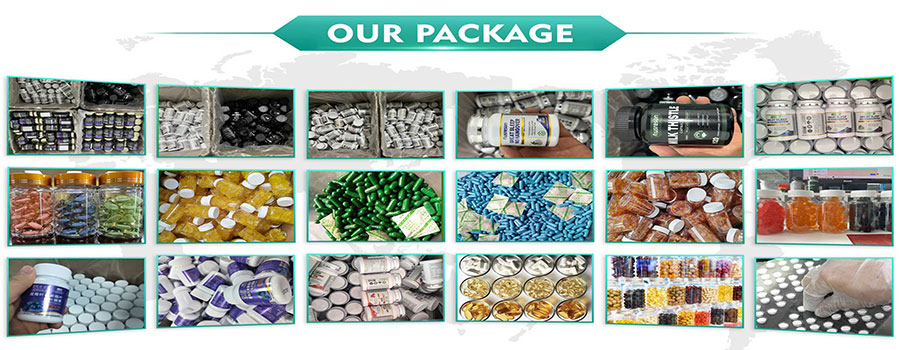
InterlGroup owns factory, Main Product Foods additives, Nutritional supplements, Healthcare Products(capsules,Softgels,tablets,Gummies,Liquid Drops,Gum,solid beverage and other customized products), plant extracts.
Support OEM&ODM service,Design label packaging, Overseas in stock, Fast customization, Drop Shipping.
Intergroup is supplying OEM service for the Well-known brands Reson and Ausreson.
Alibaba International Station No.1 supplier, Alibaba International Station Number 1, Alibaba International Station Number one.
Proveedor de Cápsulas de Vitaminas para el Cabello Поставщик капсул с витаминами для волос Fournisseur de Capsules de Vitamines pour Cheveux Lieferant von Haar-Vitamin-Kapseln als Nahrungsergänzung Fornecedor de Cápsulas de Vitaminas para o Cabelo








 Home
Home E-mail
 Booking