Pharmaceutical
Human APIs Powder
- Respiratory Drugs Raw Material
- Antiviral Antibacterial
- Antipyretic Analgesics
- Antihistamine Drugs
- Antineoplastic
- Cosmetic Raw Material
OEM & ODM
- Capsule
- Softgel Capsule
- Gummies
- Drop & drinks
- Tablets
- Effervescent Tablet
- Gel
- Powder
- Chewing Gum
- Pet Supplement
Veterinary raw materials
Phone: 86-18419147460
E-mail: sales03@nutritionoem.com
Add: Fengcheng 2nd Road, Weiyang District, Xi'an, Shaanxi, China
manufacturer Potassium iodide KI powder CAS: 7681-11-0


Product Overview:
Potassium iodide is a compound composed of potassium and iodine, widely recognized as an important dietary supplement in the European and American health product markets. While its protective function against radioactive iodine exposure in nuclear emergency situations is best known, it also plays a vital role in daily thyroid health support.
Iodine is an essential trace element for the synthesis of thyroid hormones, which regulate metabolism, energy production, and growth and development. For populations living in iodine-deficient areas or with insufficient iodine intake in their diets, potassium iodide supplements can provide necessary iodine support to help maintain normal thyroid function.
Product Attributes
CAS: 7681-11-0
MF: KI

MW: 166
EINECS: 231-659-4
Specification: 99% min Potassium iodide Powder
Sample: Potassium iodide Powder Avaliable
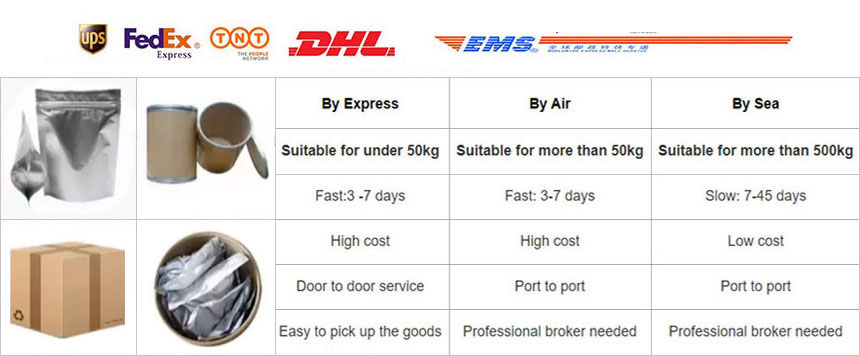
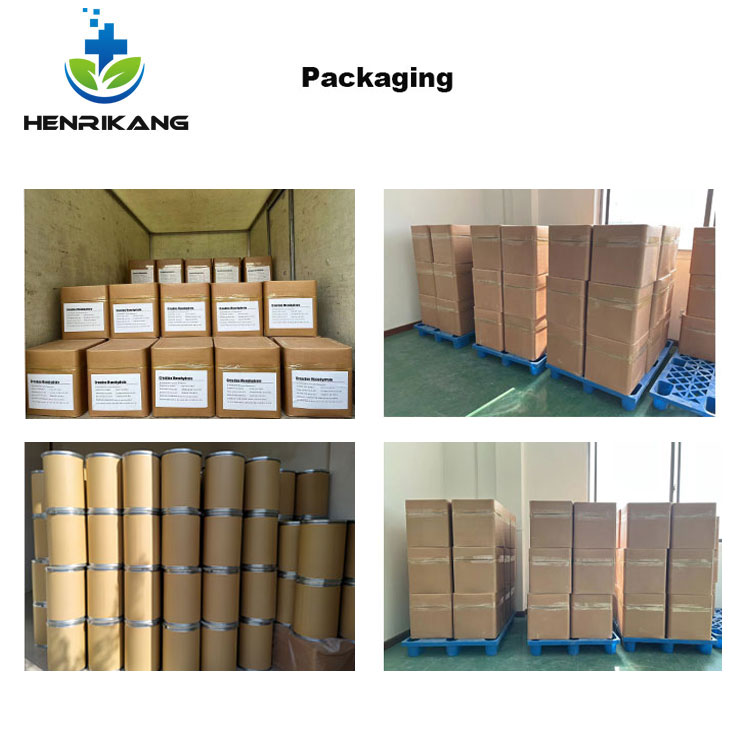
Packaging: 1kg/bag, 25kg/drum
Brand: Ausreson
MOQ: 1 kg
Appearance: Yellow powder
Storage: Cool Dry Place
Shelf Life: 2 Years
Test Method: HPLC
Product Details
What is Potassium Iodide Powder?
Potassium iodide (KI) is an inorganic compound, a white crystalline powder soluble in water. It is not only an important raw material in industrial production but also plays a crucial role in health—serving as a reliable source of iodine and supporting normal thyroid function. Compared to tablets, potassium iodide powder allows users greater flexibility in dosage control and can be incorporated into different supplementation regimens according to individual needs.
Potassium iodide Powder Usage and Synthesis.
Potassium iodide is a stabilized salt containing iodine and potassium, which is mainly used in food and feed, life sciences, polymer additives, and chemical processing.
According to the statistics of CKI, the global potassium iodide market size was USD 800 million in 2020 and is expected to reach USD 1.5 billion by 2030, growing at a CAGR of 6.1% from 2021 to 2030. Among them, the U.S. potassium iodide market size is about $209 million in 2020, and the China potassium iodide market size is about $134 million.
In addition, potassium iodide is also commonly used in the preparation of pharmaceutical iodine/potassium iodide. The medical encyclopedia entry "Iodine/Potassium Iodide" states that potassium iodide is used for the prevention and treatment of endemic goiter, but is contraindicated in pregnant and lactating women.
However, the use of potassium iodide may also bring about some adverse reactions, such as burning sensation in the mouth and throat and a coppery taste in the mouth in long-term application.
Therefore, when using potassium iodide, one should observe the adverse reactions according to the doctor's advice and instructions for use, and stop the drug promptly when necessary.
Safety Guidelines for the Correct Use of Potassium Iodide
Who should consider potassium iodide supplements?
People living in low-iodine areas or whose diets do not provide sufficient iodine intake.
Pregnant and breastfeeding women (under the guidance of a physician), as iodine is essential for fetal and infant brain development.
People following a strict vegan or restrictive diet.
People living near nuclear facilities who wish to prepare for potential emergencies.
Dosage and Usage Recommendations
The recommended daily intake of iodine varies by age and life stage:
Adults: 150 mcg/day
Pregnant women: 220 mcg/day
Breastfeeding women: 290 mcg/day
Product Method of Bulk Potassium iodide Powder.
Formic acid reduction method will be industrial grade iodine tablets into the reactor with stirring, add water, under stirring slowly add relative density of about 1.3 potassium hydroxide solution to make the reaction complete. The reaction solution is purple-brown, Ph value is 5-6, some potassium iodate crystals appear in the container. Formic acid was slowly added to the solution to reduce the potassium iodate.
After the reduction of the solution by formic acid and then add caustic potash, adjust the Ph value of 9 ~ 10. Passed into the steam, insulation 1 ~ 2h. Static, filtration to remove insoluble material, get clear filtrate, by evaporation and concentration to most of the crystals precipitation, and then cooling crystallization, centrifugal separation, the crystals will be dried at 110 ° C, to make the finished product of potassium iodide!
Instructions for Use of Potassium Iodide Powder
- Precise Measurement: Weigh the required dose using a microbalance (accuracy at least 0.001g).
- Dissolve and Consume: Dissolve the powder in water or juice to improve taste.
- Customized Treatment: Can be used in conjunction with other supplements, but be aware of interactions.
- Record Tracking: Record dosage and body response for adjustments.
Frequently Asked Questions
Q1: What is the difference between potassium iodide powder and potassium iodide tablets?
A1: The main difference lies in the flexibility of the dosage form. Powder form allows for more precise dosage adjustments, suitable for people who need non-standard doses or have difficulty swallowing. However, tablets are generally more convenient to carry and take.
Q2: Can I get enough iodine through my diet?
A2: In Western diets, iodine mainly comes from iodized salt, dairy products, seaweed, and seafood. If you regularly consume these foods, you may already be getting enough iodine. However, if you use non-iodized salt, follow a strict vegetarian diet, or restrict certain food groups, you may need to consider supplementation.
Q3: How do I determine if I need iodine supplementation?
A3: Only medical professionals can accurately assess your iodine status through a urine iodine concentration test. Self-diagnosis may be inaccurate, and over-supplementation may pose risks.
Q4: Are there any side effects to potassium iodide powder?
A4: At recommended doses, most people tolerate it well. Possible side effects include stomach upset, a metallic taste, or a rash. Very high doses can cause iodine poisoning, with symptoms including abdominal pain, fever, and difficulty breathing.
Q5: Can children use potassium iodide powder?
A5: Children's iodine requirements vary, and they are more sensitive to overdose. Any supplementation program for children must be conducted under the guidance of a pediatrician and using precise measurement methods specifically designed for children.
производитель йодистый калий KI порошок CAS: 7681-11-0
fabricant iodure de potassium KI poudre CAS: 7681-11-0
Hersteller Kaliumiodid KI Pulver CAS: 7681-11-0
fabricante yoduro de potasio KI polvo CAS: 7681-11-0
fabricante iodeto de potássio KI pó CAS: 7681-11-0
Inquire This Product