Pharmaceutical
Human APIs Powder
- Respiratory Drugs Raw Material
- Antiviral Antibacterial
- Antipyretic Analgesics
- Antihistamine Drugs
- Antineoplastic
- Cosmetic Raw Material
OEM & ODM
- Capsule
- Softgel Capsule
- Gummies
- Drop & drinks
- Tablets
- Effervescent Tablet
- Gel
- Powder
- Chewing Gum
- Pet Supplement
Veterinary raw materials
Phone: 86-18419147460
E-mail: sales03@nutritionoem.com
Add: Fengcheng 2nd Road, Weiyang District, Xi'an, Shaanxi, China
high Bioavailability Copper glycinate Powder | Ausreson


Product Overview:
Copper glycinate is a compound containing copper aminoacetate, copper aminoacetic acid and other components with molecular formula C4H8CuN2O4 and molecular weight of 211.66.It can be prepared by reacting basic copper carbonate with glycine at 80 degrees Celsius. In addition, it was shown that copper glycinate had favorable effects on growth performance, circulating inflammatory factors and gut microbiota in newly weaned piglets. Meanwhile, copper glycinate also has good bacteriostatic effect, but its in vitro bacteriostatic effect may not be as good as that of copper sulfate and basic copper chloride.
Product Attributes
CAS: 13479-54-4
MF: C4H8CuN2O4
MW: 211.66
EINECS: 236-783-2
Specification: 99% min Copper glycinate Powder
Sample: Copper glycinate powder Avaliable
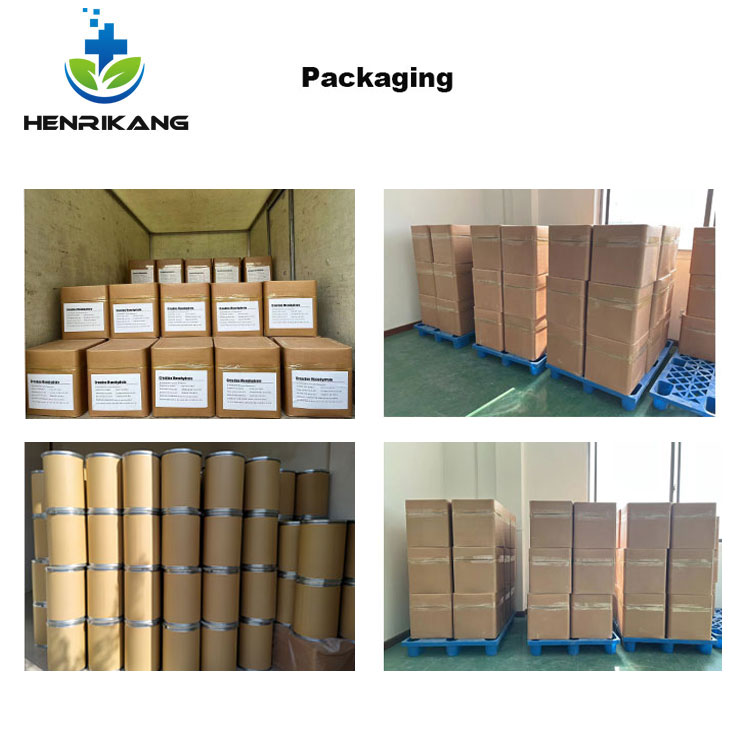
Packaging: 1kg/bag, 25kg/drum
Brand: Ausreson
MOQ: 1 kg
Appearance: White powder
Storage: Cool Dry Place
Shelf Life: 2 Years
Test Method: HPLC
Product Details
Last updated: March 2026
Copper glycinate Powder Usage and Synthesis.
Copper glycinate is a commonly used feed additive, and its application is widely used in the farming industry.
Studies have shown that copper glycinate has strong in vitro bacteriostatic ability, second only to copper sulfate and alkaline copper chloride. In addition, copper glycinate can be used to improve eggshell quality and reduce soft-shelled and broken eggs.
At the same time, copper glycinate is also one of the commonly used trace element additives, often used together with other trace elements such as iron, zinc, manganese, iodine and selenium to meet the nutritional requirements of animals.
Copper Glycinate (CAS No. 13479-54-4) is a specialized form of copper where the copper ion is bonded to the amino acid glycine. This process, known as chelation, mimics how minerals are naturally packaged in organic food sources.
Why Bioavailability Matters
Traditional copper supplements, like copper sulfate, often dissociate in the stomach's acidic environment. This leads to:
-
Low Absorption: Competition with other minerals like zinc.
-
GI Distress: Nausea or cramping.
Top Benefits of Copper Glycinate for Modern Wellness
As a vital trace mineral, copper acts as a co-factor for numerous enzymes (cuproenzymes). Incorporating high-purity copper glycinate powder into a daily regimen supports:
-
Optimal Energy Production: Copper is essential for the function of cytochrome c oxidase, the final enzyme in the mitochondrial electron transport chain ($ATP$ production).
-
Cardiovascular & Heart Health: It helps maintain the elasticity of the aorta and blood vessels by cross-linking collagen and elastin.
-
Cognitive Function & Nervous System: Copper plays a key role in the synthesis of neurotransmitters and the maintenance of the myelin sheath.
-
Iron Metabolism: It assists in the conversion of iron into its usable form, helping to prevent "pseudo-anemia."
Why Buy Copper Glycinate Powder Bulk for Your Brand?
For supplement manufacturers in the USA, UK, and EU, sourcing pure copper glycinate powder offers several strategic advantages:
-
Versatility in Formulation: The fine, consistent particle size of our powder makes it ideal for hard-shell capsules, tablets, and even functional beverage mixes.
-
Clean Label Appeal: Consumers are increasingly looking for "Chelated Minerals" on the back of the bottle. It signals quality and research-backed efficacy.
-
Synergy with Zinc: Since high doses of zinc can deplete copper, copper glycinate is the preferred "balancing" agent in high-end Immune Support complexes.
Frequently Asked Questions
Yes. While both are better than inorganic salts, studies suggest that the glycinate form offers superior stability and lower rates of gastrointestinal side effects compared to gluconate.
The elemental copper intake should align with local health authority guidelines (e.g., the FDA’s RDA is approximately $0.9 mg/day$ for adults). Always formulate based on the elemental copper percentage of the powder.
Ideally, yes. Zinc and copper compete for the same absorption sites. Using a chelated copper glycinate helps ensure that your body absorbs both minerals effectively without one blocking the other.
Our manufacturing process ensures a stable covalent bond between the copper and glycine, verified by FTIR (Fourier Transform Infrared Spectroscopy) to confirm the chelated structure.
Высокобиодоступный порошок глицината меди | Ausreson
Poudre de glycinate de cuivre à haute biodisponibilité | Ausreson
Hochbioverfügbares Kupferglycinat-Pulver | Ausreson
Polvo de glicinato de cobre de alta biodisponibilidad | Ausreson
Pó de glicinato de cobre de alta biodisponibilidade | Ausreson
Inquire This Product