Pharmaceutical
Human APIs Powder
- Respiratory Drugs Raw Material
- Antiviral Antibacterial
- Antipyretic Analgesics
- Antihistamine Drugs
- Antineoplastic
- Cosmetic Raw Material
OEM & ODM
- Capsule
- Softgel Capsule
- Gummies
- Drop & drinks
- Tablets
- Effervescent Tablet
- Gel
- Powder
- Chewing Gum
- Pet Supplement
Veterinary raw materials
Phone: 86-18419147460
E-mail: sales03@nutritionoem.com
Add: Fengcheng 2nd Road, Weiyang District, Xi'an, Shaanxi, China
Food Grade Calcium carbonate CaCO3 powder bulk Supplier



Product Overview:
Calcium carbonate is a naturally occurring mineral commonly found in limestone, marble, eggshells, pearls, and seashells. Food-grade calcium carbonate powder undergoes fine grinding and purification to remove impurities, resulting in a safe, edible, white, fine powder. In the United States and Europe, it is widely recognized as a safe food additive (E170) for nutritional fortification and various food applications.
Compared to calcium carbonate tablets, the powder form offers greater flexibility in use, allowing users to precisely control dosage and easily integrate it into various recipes and daily routines.
Product Attributes
CAS:471-34-1
MF:CCaO3

MW:100.0869
EINECS:207-439-9
Specification: 99% min Calcium carbonate powder
Sample: Calcium carbonate powder Avaliable
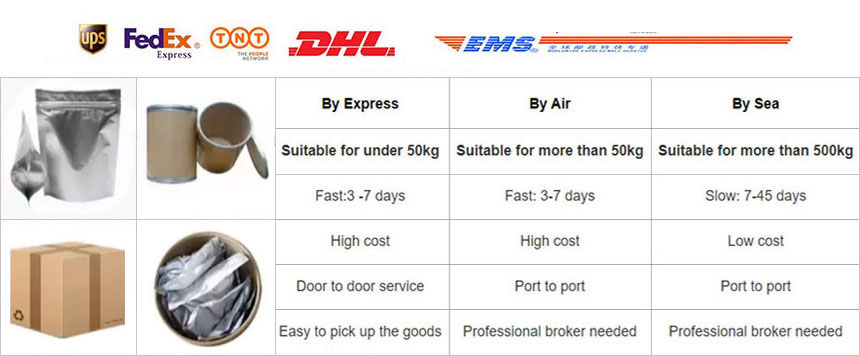
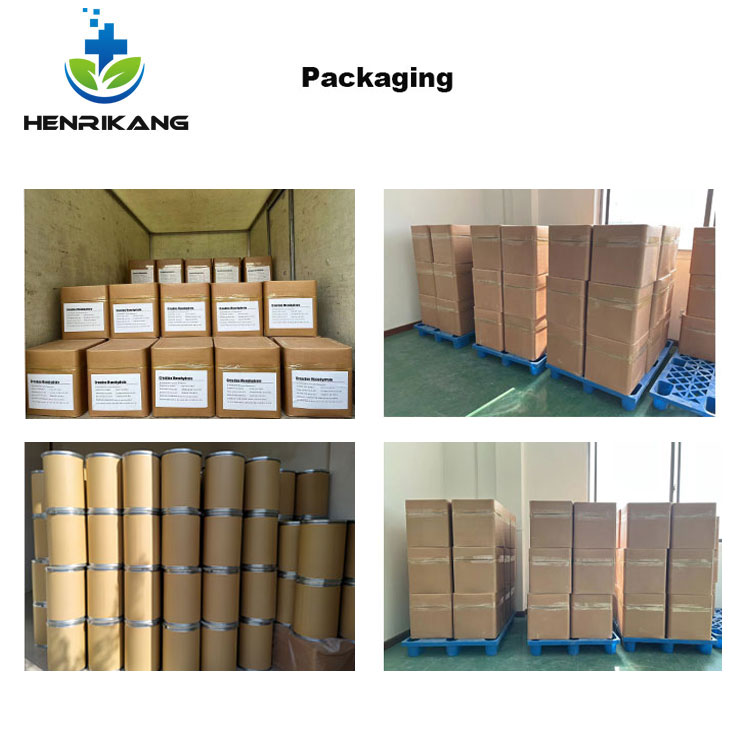
Packaging: 1kg/bag, 25kg/drum
Brand: Ausreson
MOQ: 1kg
Appearance: white powder
Storage: Cool Dry Place
Shelf Life: 2 Years
Test Method: HPLC
Product Details
Calcium carbonate powder Usage and Synthesis.
1)Tyre: light calcium carbonate and nano calcium carbonate are often used to partially replace low-structure carbon black and silica in the outer rubber (more than 70%) and inner rubber of power car tyres, and in the car tyre carcass cord fabric rubber, airtight ply rubber, inner liner rubber and inner tube rubber to reduce the production cost.
In addition, nano-calcium carbonate and ultra-fine active zinc oxide and replace ordinary zinc oxide can improve the tensile strength, elongation, flexural properties and fatigue resistance of car tyre tread rubber.
(2) Hose and tape: light calcium carbonate and nano-calcium carbonate for hose and tape, one is to play the role of white reinforcing filler, and the second is to improve the dispersion of the rubber. Calcium carbonate in the hose can be used for ordinary hoses, coloured hoses, hydraulic hoses and short-fibre reinforced hoses, etc., in the tape can be used for conveyor belts, transmission belts and timing belts.
(3) rubber shoes: calcium carbonate can adapt to different colour requirements, can improve the rubber mixing and extrusion performance, in the rubber shoes are widely used, often with carbon black, silica, titanium dioxide and clay and used in rubber shoes, uppers, soles and heels and other parts.
(4) wire and cable: calcium carbonate is generally used with carbon black, silica, clay and talc, etc. and used as mining wire and cable, marine wire and cable, high-voltage wire and cable sheathing and electrical wire and cable rubber reinforcement filler.
In the chlorinated rubber, such as CR, chlorinated polyethylene rubber (CM) and chlorinated cis-butadiene rubber as the main material of the wire and cable rubber, calcium carbonate in addition to the role of reinforcing filler, but also to reduce the acidity of the rubber and absorb hydrogen chloride produced during the processing of rubber, thus avoiding the rubber to appear delayed vulcanisation and the role of the phenomenon of the return to the original, and at the same time, to improve the performance of the rubber extrusion.
Key Application Segments Driving Demand
-
Paper Industry: This remains the single largest application segment, accounting for 34.6% of the market's overall value in 2024 (revenues of $4.13 billion). PCC, in particular, is valued as a cost-effective mineral that enhances paper quality and can serve as an alternative to wood pulp.
-
Industrial Fillers: This is the dominant application category by revenue share. GCC's properties—special whiteness, light scattering, brightness, and low cost compared to alternatives like wood flour—make it indispensable in plastics, paints, coatings, adhesives, and sealants. The demand is closely tied to construction activity and infrastructure upgrades across the region.
-
Emerging and Growth Applications:
-
Rubber Industry: Nano calcium carbonate is gaining traction as a superior and cost-effective substitute for carbon black.
-
Construction: A critical driver for demand in paints, concrete, asphalt, and plasters. The modest recovery in Eurozone construction activity in early 2025 provided underlying support for consumption.
-
Diversifying Uses: Applications are expanding into animal feed, food and pharmaceuticals, water treatment, and agriculture
-
Diverse Uses of Calcium Carbonate Powder
Dietary Applications
- Baking Enhancer: Add a small amount (1/2 teaspoon per cup of flour) to homemade bread and cookies to increase calcium content.
- Plant Milk Fortification: Add calcium carbonate powder to homemade almond milk or oat milk to mimic commercially fortified plant milk.
- Soup Thickener: Use in small amounts as a natural thickener.
- DIY Calcium-Fortified Foods: Sprinkle on salads, soups, or smoothies to silently increase calcium intake
- Natural Toothpaste: Mix with coconut oil and baking soda to create a gentle abrasive teeth cleaner.
- DIY Anti-Acid Agent: Mix 1/4 teaspoon with warm water for occasional stomach upset.
- Household Cleaning: Use as a gentle abrasive cleaner for surface cleaning.
Safety Guidelines and Dosage Recommendations
Recommended Dosage
- Based on recommendations from European and American health organizations:
- Adults should not consume more than 2500 mg of elemental calcium per day.
- Calcium carbonate powder typically contains approximately 40% elemental calcium (i.e., 400 mg of elemental calcium per gram of powder).
- Typical supplement dosage: 1/4 to 1/2 teaspoon (approximately 1.25-2.5 grams) daily, divided into several doses with food.
Optimal Timing of Administration
- Calcium carbonate requires stomach acid for absorption; therefore:
- Taking it with meals is most effective.
- Avoid taking it with iron-rich foods (may interfere with iron absorption).
- Taking it with Vitamin D can enhance absorption efficiency.
Precautions
- Some medications (such as thyroid medications, certain antibiotics) should be taken 2-4 hours apart from calcium supplements.
- Those with a history of kidney stones should consult a doctor before use.
- Mild constipation may occur, which can be relieved by increasing water and fiber intake.
Product method of Bulk Calcium carbonate.
Crushing method will be white stone (natural limestone) first in the jaw crusher coarse crushing, so that the block size of 40 - 60mm, and then lifting machine to Raymond crusher for crushing. The blower will blow the crushed semi-finished products to the cyclone classifier for grading. Coarse products return to the crusher for reprocessing. Qualified products are separated by cyclone separator to get products.
Frequently Asked Questions
Q1: What is the difference between calcium carbonate powder and calcium citrate?
A: Calcium carbonate has a higher calcium content (40% vs 21%) and requires stomach acid for absorption, so it's best taken with meals. Calcium citrate is absorbed well even without meals and is suitable for people with low stomach acid secretion. Calcium carbonate is generally more economical.
Q2: Will calcium carbonate powder cause constipation?
A: Some people may experience mild constipation. This can be alleviated by ensuring adequate water intake, increasing dietary fiber intake, and considering taking smaller doses in divided doses.
Q3: How to determine the quality of calcium carbonate powder?
A: Look for products with USP certification, third-party heavy metal testing reports, and clear labeling as "food grade." High-quality powder should be pure white, fine, and free of impurities.
Q4: Can calcium carbonate powder be heated?
A: Yes, calcium carbonate is heat-stable and suitable for baking applications. However, extremely high temperatures (above 825°C) will cause it to decompose.
Q5: Can children use calcium carbonate powder?
A: Under the guidance of a doctor or nutritionist, it can be used in appropriate amounts. Children's calcium needs vary, and the dosage needs to be adjusted carefully. It is not recommended to supplement children without professional guidance.
Q6: What are the interactions between calcium carbonate powder and medications?
A: Calcium may interfere with the absorption of some medications, such as thyroid medications, bisphosphonates, certain antibiotics, and iron supplements. When taking these medications, calcium supplements should be taken 2-4 hours apart.
Proveedor Mayorista de Polvo de Carbonato de Calcio (CaCO₃) Grado Alimenticio a Granel
Fournisseur en Gros de Poudre de Carbonate de Calcium (CaCO₃) Qualité Alimentaire en Vrac
Fornecedor Atacadista de Pó de Carbonato de Cálcio (CaCO₃) Grau Alimentício a Granel
Оптовый поставщик пищевого порошка карбоната кальция (CaCO₃) насыпью
Großhandelslieferant von Calciumcarbonat (CaCO₃)-Pulver Lebensmittelqualität in Schüttgut
Inquire This Product