Pharmaceutical
Human APIs Powder
- Respiratory Drugs Raw Material
- Antiviral Antibacterial
- Antipyretic Analgesics
- Antihistamine Drugs
- Antineoplastic
- Cosmetic Raw Material
OEM & ODM
- Capsule
- Softgel Capsule
- Gummies
- Drop & drinks
- Tablets
- Effervescent Tablet
- Gel
- Powder
- Chewing Gum
- Pet Supplement
Veterinary raw materials
Phone: 86-18419147460
E-mail: sales03@nutritionoem.com
Add: Fengcheng 2nd Road, Weiyang District, Xi'an, Shaanxi, China
High-Purity L-Rhamnose Monohydrate Powder | Bulk Supplier



Product Overview:
Rhamnose is a trace sugar widely distributed in plants. It can be present in many kinds of plant glycosides (such as quercetin, isohesperidin, etc.), polysaccharides, especially pectin and colloids in the form of sugars, and can also be present in rhamnose toxins. Rhamnose can be used to measure intestinal permeability, can be used as a sweetener, can reduce Fehling's solution, and react with sodium amalgam to produce rhamnitol. It can be hydrolyzed from xanthorhamnin and quercitin.
Product Attributes
CAS: 6155-35-7
MF: C6H14O6
MW: 182.17
EINECS: 639-370-9
Specification: 99% min L-rhamnose Monohydrate powder
Sample: L-rhamnose Monohydrate Powder Avaliable
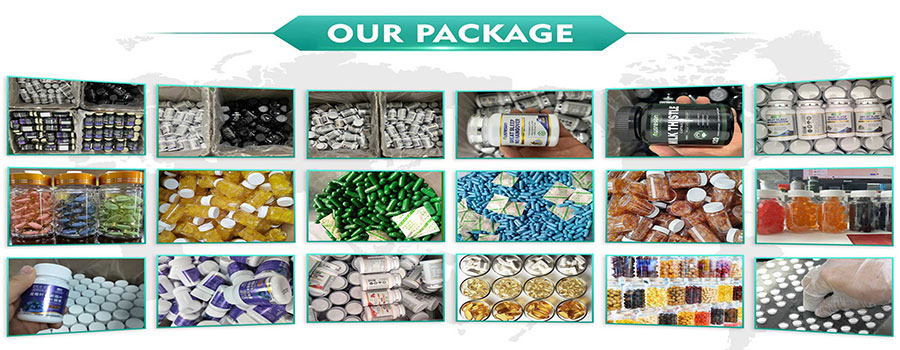
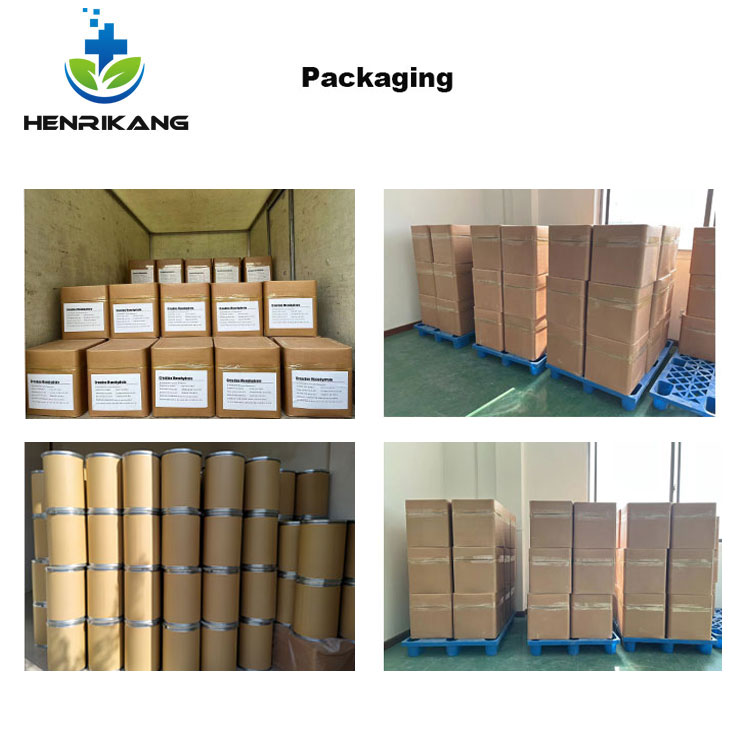
Packaging: 1kg/bag, 25kg/drum
Brand: Ausreson
MOQ: 1 kg
Appearance: white powder
Storage: Cool Dry Place
Shelf Life: 2 Years
Test Method: HPLC
Product Details
What is L-Rhamnose Monohydrate?
L-Rhamnose Monohydrate is a naturally occurring deoxy sugar. Unlike common sugars, it is not primarily used for energy but plays a vital role in the structural integrity of plant cell walls and specific bacterial polysaccharides.
In its monohydrate powder form, it appears as a white crystalline substance with a sweet taste, offering excellent stability for both liquid and solid formulations.
How Does It Work?
L-Rhamnose's core function is a precise mechanism of molecular mimicry, particularly against E. coli—the cause of most UTIs.
Recognition & Attachment: Harmful bacteria (like E. coli) have proteins on their surface called lectins, which act like "hooks" designed to recognize and latch onto specific sugar molecules (e.g., alpha-mannosides) on the urinary and intestinal walls. This allows them to colonize, form biofilms, and cause infection.
Deploying the Decoy: The molecular structure of L-Rhamnose is very similar to these host cell receptors. When you take an L-Rhamnose supplement, it floods the urinary tract and gut.
Deception & Clearance: The bacterial lectin "hooks" mistakenly grab onto the L-Rhamnose "decoys" instead of your tissue cells. Once bound, these "fooled" bacteria cannot attach and are simply flushed out with urine or stool.
Top Applications.
In clinical nutrition circles across Germany, France, and the UK, L-Rhamnose is frequently used alongside Lactulose in the Lactulose/Rhamnose (L/R) ratio test. This non-invasive diagnostic tool measures how well the intestinal barrier is functioning—a top priority for patients dealing with IBS or chronic inflammation.
The "Anti-Aging" movement in Paris and Milan has embraced Rhamnose for its ability to target the "Derm-Abyss," a specific layer of the skin responsible for regeneration and firmness.
Emerging research suggests that L-Rhamnose Monohydrate powder may act as a selective prebiotic, supporting the growth of beneficial gut microflora without the glycemic spike associated with sucrose or glucose.
Is Rhamnose safe for skin?
Rhamnose also exhibits skin-soothing benefits and its humectant properties boost skin's hydration.
How to Utilize L-Rhamnose Monohydrate Powder
-
Aqueous solutions for oral diagnostic tests.
-
Encapsulated formulas targeting gut barrier support.
-
Intermediate synthesis for high-value glycosides.
Preparation of L-rhamnose Monohydrate.
The traditional method of producing rhamnose is to extract it from natural plants, such as extracting quercetin from oak bark, extracting naringin from citrus peel, or extracting vitamin A from Quercus bark. These substances contain rhamnose groups in their molecules, and rhamnose can be obtained by hydrolyzing these substances. Pure rhamnose is then obtained through extraction and other chemical unit process operations.
How to Choose and Take a High-Quality L-Rhamnose Supplement
- Purity: Look for products clearly labeled as "L-Rhamnose Monohydrate" with high purity.
- Formulation: Some advanced products combine it with D-Mannose, Cranberry Extract (rich in PACs), or Hiprex for a synergistic urinary health complex.
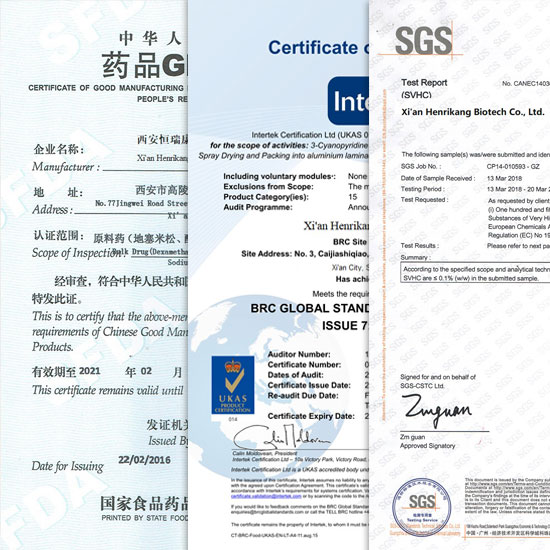
- 3rd Party Testing: Crucial. Choose brands that provide Certificates of Analysis (CoA) from independent labs to verify potency and the absence of contaminants.
- Dosage: For daily prevention, a common range is 500mg to 1500mg, once or twice daily. Dosage may be increased during periods of perceived risk (e.g., after intercourse). Always follow the specific instructions on the product label or the advice of your healthcare provider.
Frequently Asked Questions
A: Yes, it is a naturally occurring sugar found in many edible plants. In the context of dietary supplements, it is used in specific, controlled amounts. Always check local regional regulations (like FDA GRAS status or EU Novel Food lists) for specific product labeling.
A: In nature, the L-form is the predominant and biologically active isomer. D-Rhamnose is rare and does not offer the same metabolic pathways or structural benefits in humans and plants.
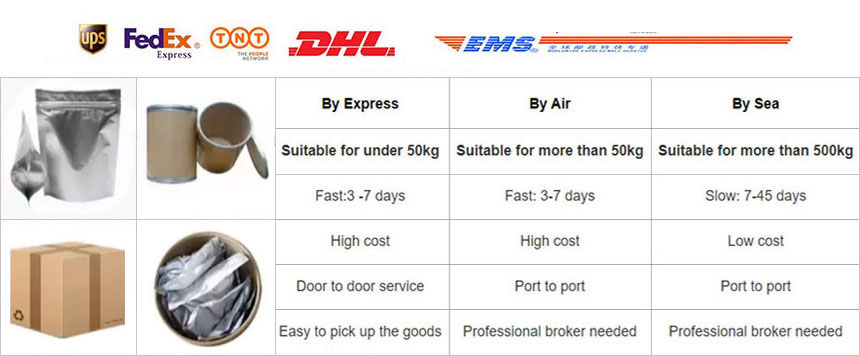
A: We use vacuum-sealed, moisture-proof industrial packaging specifically designed for long-haul export trade. This prevents hydration changes during transit across different climate zones.
Высокочистый L-рамноза моногидрат порошок | Оптовый поставщик
Poudre de L-Rhamnose Monohydraté Haute Pureté | Fournisseur en Vrac
Hochreines L-Rhamnose-Monohydrat-Pulver | Großhandelslieferant
Polvo de L-Ramnosa Monohidratada de Alta Pureza | Proveedor al por Mayor
Pó de L-Ramnose Monoidratada de Alta Pureza | Fornecedor por Atacado
Inquire This Product